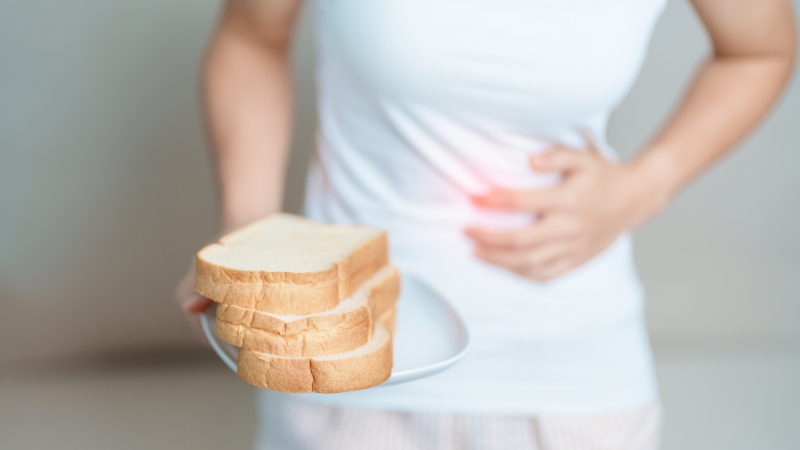
Bloating after every meal is usually caused by one of a few common problems: excess gas, eating too fast, constipation, food intolerance, IBS, indigestion, or a stomach that is emptying more slowly than it should. In many cases, the issue is not that you are eating “too much” in a simple sense, but that your digestive system is reacting the same way after food arrives every time.
The most common explanation is gas in the digestive tract, which can build up when you swallow air, ferment certain carbohydrates poorly, or have an underlying digestive condition.
What matters is the pattern. Feeling bloated once in a while after a very large meal is ordinary. Feeling bloated after almost every meal is different.
That kind of repetition usually points to a habit, a trigger food, or a digestive issue that keeps showing up in the same way. NIDDK notes that gas symptoms are common during or after meals, but they become more important when they happen often, bother you, or affect daily life.
Excess Gas Is The Most Common Reason

This is the first place to look because it explains a huge share of post-meal bloating. The NHS says the most common reason for bloating is having a lot of gas in your gut. NIDDK explains that gas gets into the digestive tract in two main ways: by swallowing air and by bacterial breakdown of undigested carbohydrates in the large intestine.
That means the bloated feeling after meals may come either from how you eat or from how the food is being digested lower down.
This also explains why the feeling can vary from one meal to another. Some meals create more gas because they contain carbohydrates that are harder to digest.
Other times, the problem is mechanical. You eat quickly, talk while chewing, drink fizzy drinks, or swallow more air than you realize. Mayo Clinic notes that upper intestinal gas can increase with swallowing air, overeating, smoking, or chewing gum.
Eating Too Fast Or Eating Too Much Air
A surprising number of people do not think of swallowing air as a real digestive issue, but it is. If you rush meals, eat while stressed, drink through a straw, chew gum often, or talk a lot while eating, you may be bringing extra air into your digestive tract.
That does not sound dramatic, but it can be enough to leave you feeling full, stretched, and uncomfortable after eating. NIDDK and Mayo Clinic both list swallowed air as a common reason for gas-related bloating.
This kind of bloating often has a very specific feel. It tends to come on fairly quickly after the meal, and it may come with frequent belching rather than only lower abdominal pressure.
If that sounds familiar, the problem may be less about the food itself and more about the way the meal is happening.
Food Intolerance Is A Frequent Trigger
One of the most common real causes of repeated bloating after meals is food intolerance. Mayo Clinic notes that gas or bloating may happen when your digestive system cannot properly break down and absorb certain foods, including lactose in dairy and, in some cases, gluten-containing foods.
NHS also lists food intolerance and coeliac disease among the causes of bloating.
This is where people often get misled because the trigger is not always obvious. It may not happen after every single bite of one food. Sometimes it shows up after combinations of foods, larger portions, or meals that contain several fermentable ingredients at once.
A person may think they are reacting to “heavy food” in general when the more precise issue is dairy, fructose, wheat, onions, beans, or another poorly tolerated component. Mayo Clinic’s professional guidance also notes that carbohydrate intolerance is one of the more common causes of chronic bloating and distension.
Constipation Can Make Post-Meal Bloating Much Worse
This cause gets missed all the time. People focus on the meal, but the real issue is what happened before the meal. If stool is moving too slowly through the bowel, gas and digestive contents have more time to build up.
Mayo Clinic notes that constipation can make it harder to pass gas, and that the longer waste remains in the colon, the more time it has to ferment. The NHS also lists constipation as a cause of bloating.
When constipation is part of the picture, the bloating often feels cumulative. It may start after meals, but it does not fully go away in between.
The abdomen can feel heavy, pressured, or tight for much of the day. Some people also notice that they do not feel fully emptied after a bowel movement, which fits with the broader pattern rather than being a separate issue.
IBS Often Shows Up As Bloating After Eating
View this post on Instagram
Irritable bowel syndrome is one of the most common digestive conditions for recurrent bloating. NHS says IBS can cause bloating, stomach cramps, diarrhea, and constipation, and that symptoms are often worse after eating.
The symptom page is even more direct: stomach pain or cramps are usually worse after eating, while bloating is a main symptom.
That matters because IBS is not just “a sensitive stomach.” It is a pattern. The bloating may come with cramping, altered bowel habits, relief after a bowel movement, or a clear worsening after certain foods or stressful periods.
If bloating after meals seems tied to pain, urgency, constipation, or diarrhea, IBS moves higher up the list of likely causes.
Indigestion Or Functional Dyspepsia Can Feel Like Bloating Right After Eating
Some people do not mainly deal with lower bowel gas at all. Their discomfort is centered higher up, in the upper abdomen, and starts soon after meals with fullness, pressure, nausea, or burning.
That pattern fits indigestion or functional dyspepsia more than simple gas.
NIDDK says indigestion can involve pain in the upper abdomen and may be related to several conditions. Cleveland Clinic describes functional dyspepsia as chronic indigestion that often includes fullness or bloating after eating, while Mayo Clinic lists bloating, belching, nausea, and an early feeling of fullness as common symptoms.
This type of bloating often feels different from classic gas. It may show up as “I get full too fast,” “my stomach feels stuck,” or “after a few bites I already feel uncomfortable.” People sometimes call all of this bloating, but the location and timing can suggest that the issue is happening higher in the digestive tract.
Slow Stomach Emptying Can Cause Fullness And Bloating
If food is moving through the stomach more slowly than normal, bloating after meals can become a regular problem. NHS says gastroparesis can cause symptoms after eating, such as early fullness, nausea, vomiting, heartburn, tummy pain, and bloating.
This is not the first cause to assume in most people, but it becomes more relevant when bloating comes with a strong sense of prolonged fullness, nausea, or trouble finishing normal-sized meals.
That pattern is different from straightforward gas. It feels more like the meal sits there longer than it should.
The Meal Itself May Be The Trigger
Certain foods and drinks are more likely to produce gas or trigger bloating. NHS notes that some vegetables and fizzy drinks can contribute.
Mayo Clinic adds that excess gas may be related to certain foods not being fully digested, and Cleveland Clinic notes that if you get bloated after eating, it can be as simple as eating too much too fast or having a food intolerance that causes gas and digestive contents to build up.
The important point is not to jump into a huge restriction diet immediately. It is better to look for patterns first. A food diary for one or two weeks is often more useful than guessing.
The goal is to identify whether the trigger is dairy, fizzy drinks, very fatty meals, beans, onions, wheat-heavy meals, artificial sweeteners, or simply meal size and speed.
What The Most Common Causes Usually Look Like
Pattern After Meals
Common Cause
Quick bloating with belching
Swallowed air, fast eating, fizzy drinks
Bloating with gas and certain foods
Food intolerance or fermentation of carbohydrates
Bloating plus constipation
Slowed bowel movement and trapped gas
Bloating plus cramps or diarrhea
IBS
Upper stomach fullness after a few bites
Functional dyspepsia or slow stomach emptying
Bloating most days without clear triggers
Ongoing digestive issue worth assessing
This is not a diagnosis table, but it is a useful way to stop treating all bloating as the same problem. The location, timing, and associated symptoms often tell you more than the word “bloating” by itself.
When Bloating Should Not Be Dismissed
Bloating is common, but persistent bloating should not always be waved away as harmless. NHS advises seeing a GP if bloating lasts a long time, comes and goes repeatedly, or is paired with concerning features such as weight loss, diarrhea, constipation, blood in the stool, or severe pain.
That does not mean recurrent bloating is automatically serious. It means frequency matters. If it is happening after every meal for weeks, and especially if it is affecting appetite, sleep, comfort, or bowel habits, it deserves a closer look instead of endless trial and error.
What To Do First
Start simple. Slow down meals. Cut back on fizzy drinks. Notice whether gum, straws, or rushed eating makes the problem worse. Track which foods show up before symptoms. Pay attention to bowel habits, not just the bloating itself.
NIDDK notes that treatment for excess gas often starts with swallowing less air, changing eating and drinking habits, and adjusting the diet.
If the pattern clearly links to dairy, wheat, certain fruits, beans, or very large meals, that gives you something concrete to test. If the bloating is also tied to constipation, that part has to be addressed or the post-meal symptoms may keep returning no matter what you eat.
If the issue is constant, painful, or tied to alarm symptoms, the smarter move is medical evaluation rather than self-diagnosis.
The Bottom Line
@doctors_kitchen Non-dietary tips to reduce bloating after meals 🎈#bloating #lifestylemedicine #foodasmedicine #healthyliving ♬ This Is How We Do It – Montell Jordan
Bloating after every meal is most often caused by excess gas, swallowed air, food intolerance, constipation, IBS, indigestion, or slower stomach emptying.
In some cases, it can also appear alongside acid reflux symptoms such as heartburn or a sour taste, especially when digestion is not moving efficiently. The most common cause is gas, but the real question is why it is happening so regularly in your case.
If the pattern keeps repeating, the answer is usually in one of three places: how you eat, what you eat, or how your digestive system is functioning.