Caregiver burnout is no longer a quiet, background issue in healthcare. A large body of research now links staff fatigue directly to increased medical errors, missed care tasks, and preventable patient harm.
If the people providing care are stretched beyond their limits, safety inevitably suffers. That reality raises an uncomfortable question many facilities are now facing: how do you protect patients without pushing caregivers past the breaking point? This is where automation, when used thoughtfully, starts to matter.
Technologies like automated turning systems are not about replacing human care, but about reducing physical strain, improving consistency, and creating safer conditions for everyone involved.
Understanding how caregiver burnout and patient safety intersect is the first step toward making smarter, more sustainable care decisions.
The Hidden Cost of Caregiver Burnout in Daily Practice
Caregiver burnout rarely arrives all at once. It builds quietly through missed breaks, repeated heavy lifts, overnight shifts, and constant emotional pressure. Over time, physical exhaustion blends with mental fatigue, making even experienced staff more vulnerable to mistakes. In long-term care and acute settings, routine tasks such as patient repositioning become high-risk when performed under strain.
Burnout affects care in several ways:
- Reaction times slow, increasing the chance of errors.
- Physical fatigue raises the risk of musculoskeletal injuries.
- Emotional exhaustion reduces attentiveness and patience.
- High turnover disrupts continuity of care.
When caregivers are overwhelmed, even well-designed protocols can break down. Patient safety depends not only on training and policies, but on whether staff have the physical and mental capacity to carry them out consistently, shift after shift.
Why Manual Turning Is a High-Risk Task for Both Sides
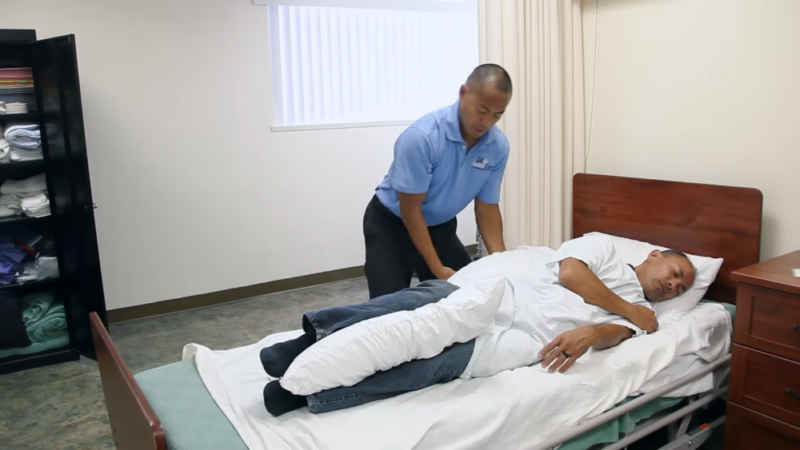
Patient turning is one of the most physically demanding tasks in healthcare, especially for immobile or high-dependency patients. Repositioning must be done frequently to prevent pressure injuries, yet it often requires awkward postures, sustained force, and coordination between multiple staff members. When staffing levels are tight, these ideal conditions are rarely met.
The risks of manual turning include:
- Increased back, shoulder, and wrist injuries for caregivers.
- Inconsistent repositioning schedules.
- Shortened turns that fail to fully relieve pressure.
- Delayed turns during busy or understaffed shifts.
From a patient perspective, inconsistent turning raises the likelihood of pressure ulcers, discomfort, and longer recovery times. From a caregiver perspective, repeated strain accelerates burnout. This shared risk is why turning has become a focal point for safety-focused automation.
How Automated Turning Changes the Care Equation
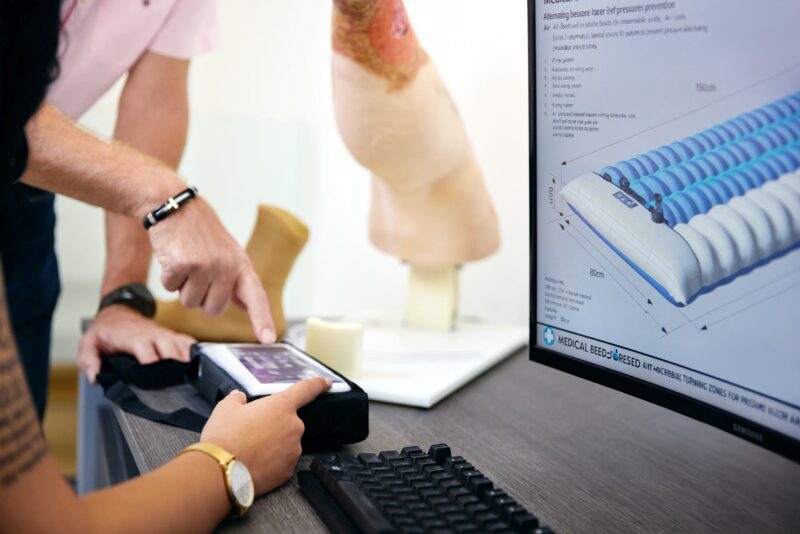
Automated turning systems are designed to support one of the most demanding care activities without removing human oversight. By providing scheduled, gentle lateral movement, these systems help maintain proper repositioning even when staff are stretched thin. The goal is not speed, but consistency and reduced physical load.
In recent years, pressure injury prevention has moved beyond manual schedules and checklists toward smarter, system-based solutions. One example is the Multiturn 6 automated lateral turning mattress that can be found on abewer.com, a multifunction system designed specifically for patients at high risk of pressure injuries, also known as bedsores or pressure ulcers. For caregivers, this kind of innovation means fewer urgent repositioning tasks and more predictable care routines, which directly supports both patient safety and staff sustainability.
Key advantages include:
- Reduced physical strain during routine care.
- More consistent adherence to turning schedules.
- Improved overnight repositioning when staffing is limited.
- Better alignment with injury prevention protocols.
Automation becomes a safety net, not a replacement, supporting both patient outcomes and caregiver well-being.
Patient Safety Gains From Consistent Repositioning
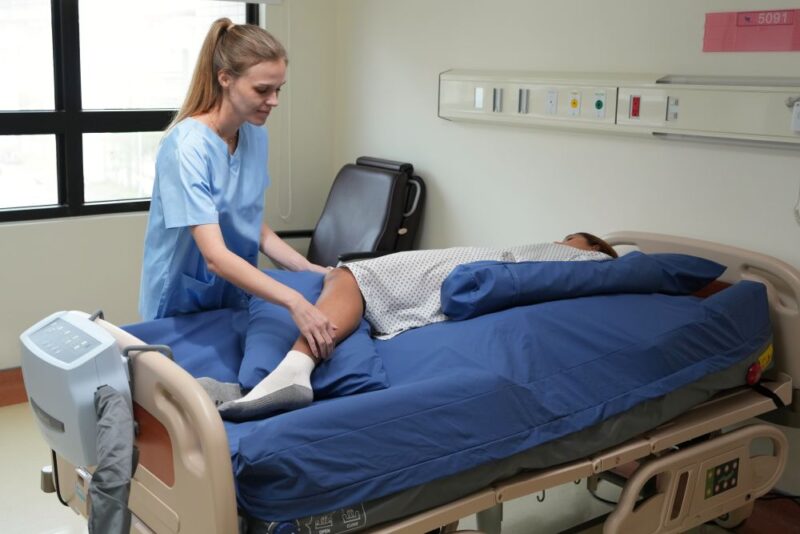
Pressure injuries remain one of the most costly and preventable complications in healthcare. They are strongly linked to inconsistent repositioning, especially in patients with limited mobility or sensation. Automated turning systems address this issue by delivering reliable, scheduled movement that does not depend on shift workload or staffing variability.
Patient safety benefits include:
- Lower risk of pressure injury development.
- Improved circulation and tissue oxygenation.
- Reduced discomfort and agitation during sleep.
- Fewer emergency interventions related to skin breakdown.
Did you know? Pressure injuries can develop in as little as two hours under sustained pressure in vulnerable patients. Consistency, not intensity, is what protects tissue over time.
By reducing variability in care delivery, automation helps ensure that preventive measures happen as planned, even on the busiest days.
How Automation Reduces Cognitive and Physical Load on Staff
Burnout is not only about physical fatigue. Cognitive overload plays a major role, especially in environments where caregivers juggle alarms, documentation, patient needs, and safety protocols simultaneously. Automated turning systems quietly remove one recurring demand from that mental load.
When caregivers know that repositioning is happening reliably, several stressors ease:
- Fewer time-sensitive tasks competing for attention.
- Reduced anxiety about missed turns.
- Less physical recovery time needed after shifts.
- Greater ability to focus on patient observation and interaction.
This shift has a compounding effect. Lower stress improves decision-making, which improves safety, which in turn reduces emotional strain. Automation, when well-integrated, supports the human elements of care rather than undermining them.
Comparing Manual and Automated Turning Approaches
Understanding the practical differences between manual and automated turning helps clarify why many facilities are reassessing their workflows.
| Aspect | Manual Turning | Automated Turning |
| Physical strain | High for caregivers | Significantly reduced |
| Consistency | Dependent on staffing | Scheduled and reliable |
| Overnight care | Often delayed | Continuous support |
| Injury risk | Higher for staff and patients | Lower overall |
While automation does not eliminate the need for hands-on care, it stabilizes one of the most failure-prone processes in patient management. The table highlights why turning is increasingly seen as a systems issue, not just an individual task.
Addressing Concerns About Automation in Care Settings
Despite the benefits, some caregivers worry that automation may distance them from patients or reduce the personal nature of care. These concerns are valid and deserve thoughtful consideration. The reality is that automated turning does not remove human involvement, it reshapes it.
Common concerns and clarifications include:
- Automation does not replace clinical judgment or assessment.
- Caregivers still control settings and patient comfort.
- Systems are designed to complement, not override, care plans.
- Human interaction often increases when physical strain decreases.
Patient safety technologies are most effective when they reduce workload without reducing accountability.
When caregivers are less physically exhausted, they are often more present, attentive, and emotionally available, which enhances patient experience rather than diminishing it.
Long-Term Organizational Benefits Beyond Daily Care
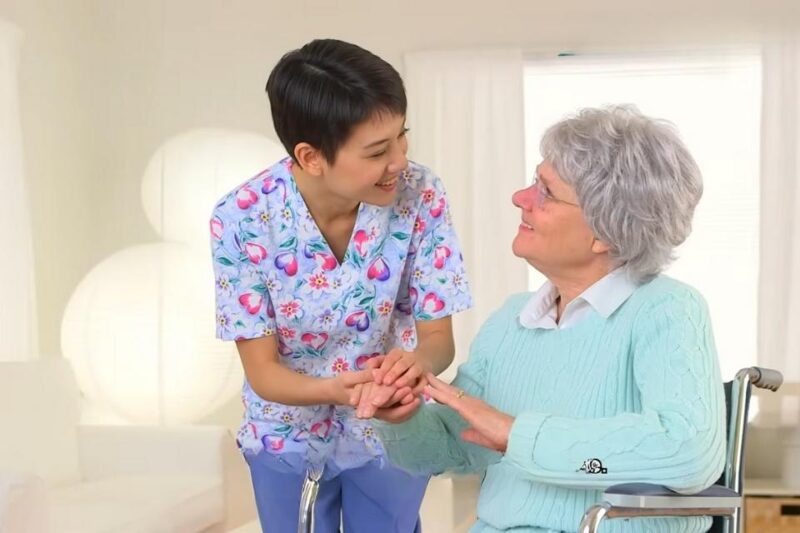
Reducing caregiver burnout has ripple effects that extend far beyond individual shifts. Facilities that invest in supportive technologies often see improvements in retention, injury rates, and overall care quality. Automated turning plays a role in this broader ecosystem by addressing a known injury hotspot.
Organizational benefits include:
- Fewer staff injury claims and sick days.
- Lower turnover and training costs.
- Improved compliance with safety standards.
- Stronger reputation for patient-centered care.
These outcomes are not immediate, but they are measurable over time. When caregiver well-being improves, patient safety metrics tend to follow. Automation becomes part of a preventive strategy rather than a reactive fix.
Choosing the Right Supportive Technology
Not all automated systems are created equal. Selecting the right solution requires aligning technology with patient population, staffing models, and care goals. Decision-makers should focus on practicality and integration rather than novelty.
Key evaluation points include:
- Ease of use for frontline staff.
- Adjustability for different patient needs.
- Reliability and maintenance requirements.
- Compatibility with existing protocols.
Automation works best when it fits seamlessly into daily routines. Overly complex systems can increase frustration rather than reduce it. The goal is quiet support that caregivers trust and patients barely notice.
A More Sustainable Model of Care
Healthcare cannot rely indefinitely on human endurance alone. As patient acuity rises and staffing challenges persist, sustainable care models must protect both patients and those who care for them. Automated turning systems illustrate how targeted technology can reduce risk without sacrificing compassion.
By easing physical strain, improving consistency, and supporting safer workflows, automation helps break the cycle where burnout leads to errors and errors lead to more stress. Patient safety and caregiver well-being are not competing priorities.
When supported correctly, they reinforce each other. A care environment that acknowledges human limits is ultimately one that delivers better outcomes for everyone involved.