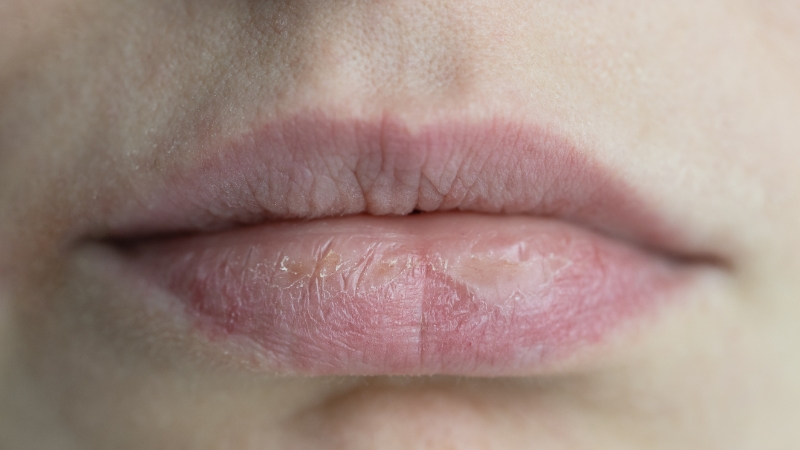
Waking up with a dry mouth once in a while is common. Waking up with it often is usually a sign that something is reducing saliva or drying the mouth out while you sleep.
The most common reasons are mouth breathing, nasal congestion, snoring or obstructive sleep apnea, dehydration, and medication side effects. Saliva flow also naturally drops during sleep, which is why nighttime dryness can feel worse than daytime dryness.
According to the American Dental Association, persistent dry mouth matters because low saliva raises the risk of tooth decay, gum problems, trouble swallowing, bad breath, and oral infections such as thrush.
Why Nighttime Dry Mouth Feels Worse
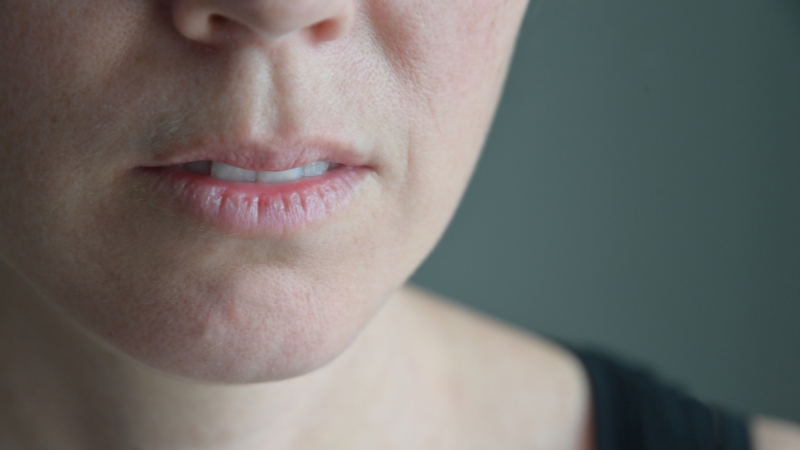
Night is the perfect setup for dryness. Saliva flow naturally falls during sleep as part of the body’s daily rhythm. The ADA notes that xerostomia symptoms often worsen at night because salivary output reaches its lowest circadian level during sleep, and mouth breathing can make the problem even worse.
That lower saliva flow matters because saliva is not just moisture. It protects teeth, buffers acids, helps control bacteria and fungi, and makes speaking, chewing, and swallowing easier.
According to NIDCR, ongoing dry mouth can make chewing, swallowing, and even talking difficult and can increase the risk of tooth decay and fungal infection.
The Most Common Reasons for Dry Mouth at Night
The short list is usually where the answer is found. In real life, the most common nighttime triggers are not rare diseases. They are blocked nasal passages, sleeping with the mouth open, snoring, sleep apnea, dehydration, alcohol, caffeine late in the day, smoking, and medications that reduce saliva.
NHS guidance and Mayo Clinic both place medicines, dehydration, and mouth breathing high on the list.
Common reason
Why does it cause dry mouth at night
Clues that fit
Mouth breathing
Air moving through the mouth dries the oral tissues
You wake with a dry tongue, lips, or sore throat
Nasal congestion
Forces you to breathe through your mouth
Allergies, cold, deviated septum, stuffy nose
Snoring or sleep apnea
Often linked to open-mouth breathing and airway problems
Loud snoring, gasping, and daytime sleepiness
Medications
Many drugs reduce salivary flow
Dryness started after a new medicine or dose change
Dehydration
Less body fluid means less saliva
Dark urine, thirst, alcohol, sweating, illness
CPAP issues
Mouth leaks and airflow can worsen dryness
Dry mouth after removing the mask in the morning
Medical conditions
Some illnesses affect the salivary glands or fluid balance
Dry eyes, high blood sugar, fatigue, joint pain
The table gives the short version. The sections below explain how each cause works and what to look for. The important part is that nighttime dry mouth usually follows a pattern. Once that pattern is recognized, the likely cause gets much easier to spot.
1. Mouth Breathing While You Sleep
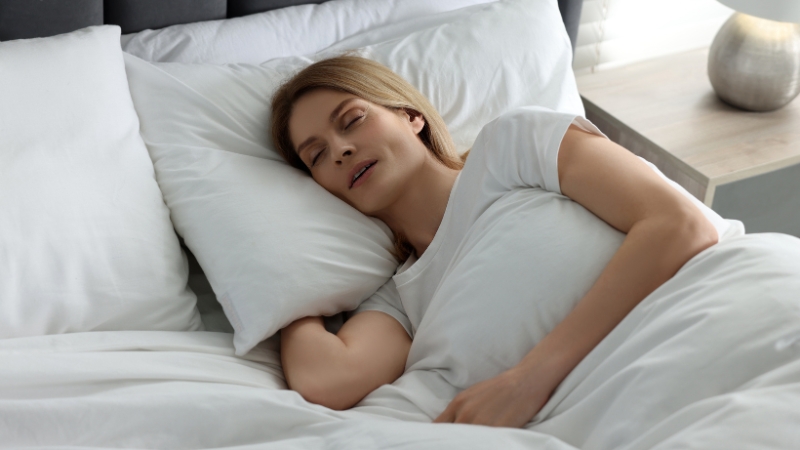
This is one of the biggest reasons people wake up feeling parched. According to the NHS, breathing through the mouth at night can cause a dry mouth, especially if you sleep with your mouth open or have a blocked nose.
Mouth breathing often sounds minor, but it can be enough on its own to create repeated nighttime dryness because saliva is already low during sleep.
If you wake with a sticky mouth, dry lips, bad breath, or a rough throat, and the dryness gets worse when your nose is blocked, this cause moves near the top of the list.
2. Nasal Congestion or Blocked Nasal Passages
A stuffy nose is one of the simplest and most overlooked explanations. If air cannot move well through the nose, the body shifts to the mouth. That can happen with allergies, colds, sinus swelling, enlarged turbinates, or structural issues such as a deviated septum.
Sleep Foundation notes that nighttime mouth breathing can result from blocked nasal passages. Mayo Clinic also recommends breathing through the nose rather than the mouth and using a humidifier at night for symptom control.
This is why some people notice dry mouth only during allergy season, only when sick, or only in certain sleep positions. If dryness improves when nasal symptoms improve, nasal obstruction may be the real driver rather than a salivary gland problem.
3. Snoring and Obstructive Sleep Apnea
Dry mouth at night can be a clue that the problem is bigger than simple mouth breathing. Obstructive sleep apnea often leads to open-mouth breathing, repeated airway collapse, and fragmented sleep.
This matters because dry mouth can show up before a person realizes their sleep is abnormal. If you also snore loudly, wake choking, feel unrefreshed, have morning headaches, or fall asleep easily during the day, dry mouth should not be treated as just an annoyance.
Signs Dry Mouth May Be Tied to Sleep Apnea
Symptom or clue
Why it matters
Loud snoring
A common sign of upper airway narrowing
Waking up choking or gasping
Suggests repeated breathing interruptions
Morning headaches
Often seen with poor overnight breathing
Excessive daytime sleepiness
Sleep quality may be disrupted
Dry mouth mostly on waking
Fits open-mouth breathing during sleep
High blood pressure or obesity
Common risk factors for OSA
4. Medications That Reduce Saliva
Medication side effects are one of the most common reasons for ongoing dry mouth. NIDCR says hundreds of medicines can cause the salivary glands to make less saliva. It specifically mentions drugs for high blood pressure, depression, and bladder-control problems.
Common medication groups linked to dry mouth include antihistamines, decongestants, antidepressants, some anxiety medicines, blood pressure medicines, some pain medicines, and drugs with anticholinergic effects.
This cause is especially likely when the dryness began after starting a new medicine, increasing a dose, or taking several medicines at once. Older adults are affected more often because they are more likely to use multiple drugs that each push saliva down a little.
5. Dehydration
View this post on Instagram
Dehydration is simple, common, and easy to miss.
The NHS lists dehydration as a main cause of dry mouth. This can happen from not drinking enough, sweating heavily, illness, alcohol, vomiting, diarrhea, or even just sleeping in a warm room after a dry day.
People often assume dehydration has to be severe to affect the mouth, but that is not true. A mild fluid deficit can be enough to reduce saliva, especially overnight when saliva is already low.
6. CPAP Use, Especially With Mouth Leak
Some people develop or worsen dry mouth after starting CPAP therapy for sleep apnea.
This does not mean CPAP is the wrong treatment. It usually means air is leaking, the mouth is falling open, or humidity settings are not ideal. Mayo Clinic states that if you breathe through your mouth at night or sleep with your mouth open, some CPAP machines may worsen dry mouth, and air leaks can do the same.
This pattern is usually obvious. You may feel relatively normal at bedtime and then wake with a very dry mouth after using the machine. In that situation, the next step is usually not quitting CPAP on your own. It is fixing mask fit, leak control, humidity, or the type of mask with your sleep clinician or equipment provider.
7. Smoking, Tobacco, Alcohol, and Too Much Caffeine

These do not cause every case, but they often make an existing problem worse. Mayo Clinic advises limiting caffeine and stopping tobacco use because both can worsen dry mouth symptoms.
Alcohol can also contribute by drying tissues and worsening dehydration, especially if used in the evening.
This is why some people have a pattern where the dryness is much worse after drinks at night, after vaping or smoking, or during periods of heavy coffee intake with poor water intake. These triggers are easy to underestimate because they are common and socially normalized, but they matter when symptoms are repeated.
8. Medical Conditions That Can Show Up as Dry Mouth
Sometimes dry mouth at night is part of a bigger medical picture rather than a stand-alone problem. NIDCR and Mayo Clinic both list diseases such as Sjögren’s disease and diabetes among important causes.
Sjögren’s disease is an autoimmune condition in which the immune system attacks glands that make moisture.
MedlinePlus and NIDCR both list dry mouth and dry eyes as core symptoms. If nighttime dry mouth comes with gritty or burning eyes, joint pain, fatigue, or trouble swallowing dry foods, this condition moves higher on the list.
Diabetes can also contribute, especially when blood sugar is not well controlled. Mayo Clinic lists diabetes among the health conditions linked to dry mouth. In practice, people may also notice thirst, more frequent urination, fatigue, or blurry vision.
Cancer treatment is another important cause. NIDCR notes that radiation therapy to the head or neck can damage salivary glands, and chemotherapy can contribute to oral complications that include xerostomia.
What Usually Helps
Treatment depends on the cause, but the basics are fairly consistent.
Mayo Clinic recommends sipping water or sugar-free drinks, chewing sugar-free gum or sucking on sugar-free candies, using saliva substitutes, breathing through the nose instead of the mouth, and adding moisture to the air at night with a humidifier.
It also recommends avoiding alcohol-containing mouthwashes and being careful with antihistamines and decongestants that can worsen dryness.
Those recommendations work best when they are matched to the pattern. If the real issue is a blocked nose, you need to address the nasal problem. If the issue is medication, the fix may involve reviewing the drug list with a clinician.
If the problem is sleep apnea, treating the sleep disorder matters more than just keeping water by the bed. If the issue is dental risk from chronic dryness, fluoride and close dental follow-up become more important.
Practical Steps That Often Help at Night
What to try
Why it may help
Drink enough water during the day
Supports saliva production before sleep
Reduce alcohol late in the evening
Lowers dehydration and tissue drying
Limit caffeine if it worsens symptoms
Can reduce dryness in some people
Keep the nose as clear as possible
Helps shift breathing back to the nose
Use a bedroom humidifier
Adds moisture to dry air overnight
Choose alcohol-free oral products
Avoids extra drying from mouthwash
Try sugar-free gum or xylitol products during the day
Stimulates saliva before bedtime
Review medications with a clinician
Identifies drug-related causes
Address snoring or possible sleep apnea
Treats a common nighttime driver
Bottom Line
@houstonmethodist #fyp #foryou #health #healthcare #healthandwellness #wellness #drymouth #drymouthproblems #nighttime #oralhealth ♬ original sound – Houston Methodist
Dry mouth at night usually happens because saliva naturally drops during sleep, and then another factor piles on top of that.
The most common extra factors are mouth breathing, nasal blockage, snoring or sleep apnea, dehydration, and medications.
According to the ADA, NIDCR, Mayo Clinic, and NHS, persistent dry mouth is worth taking seriously because it can damage oral health and sometimes points to a larger medical issue. The best solution is not just masking the dryness. It is figuring out why it keeps happening and fixing the cause.