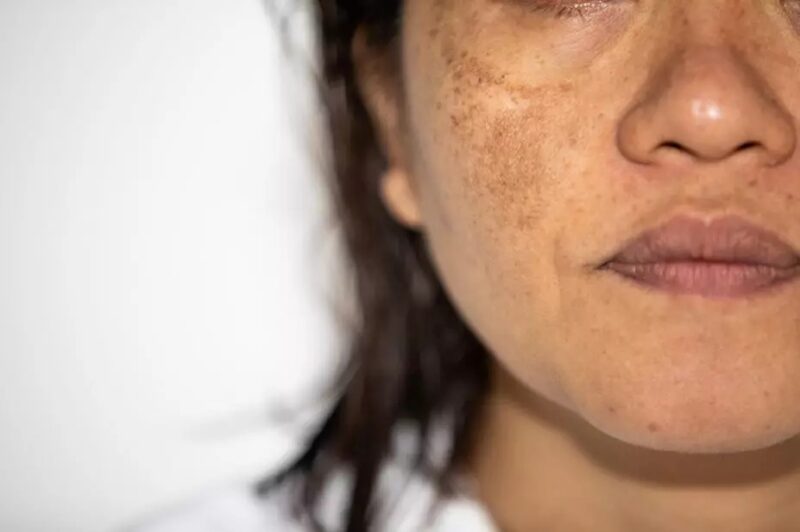
Uneven skin tone and pigmentation issues can affect anyone at any age.
Many individuals notice dark patches or blotches that appear over time, making the skin look tired and uneven. While some pigment concerns are mild and purely aesthetic, others can impact confidence and may even indicate underlying skin sensitivity.
Understanding how pigmentation develops and the options available to correct it can help people approach treatment with realistic expectations and informed choices.
Skin pigmentation is influenced by a combination of genetics, sun exposure, hormonal changes, and environmental factors.
While topical products may provide some lightening, modern dermatologic treatments work beneath the surface to correct discoloration at a deeper level.
This approach can yield longer-lasting results and more even skin tone.
How Modern Treatments Target Pigmentation
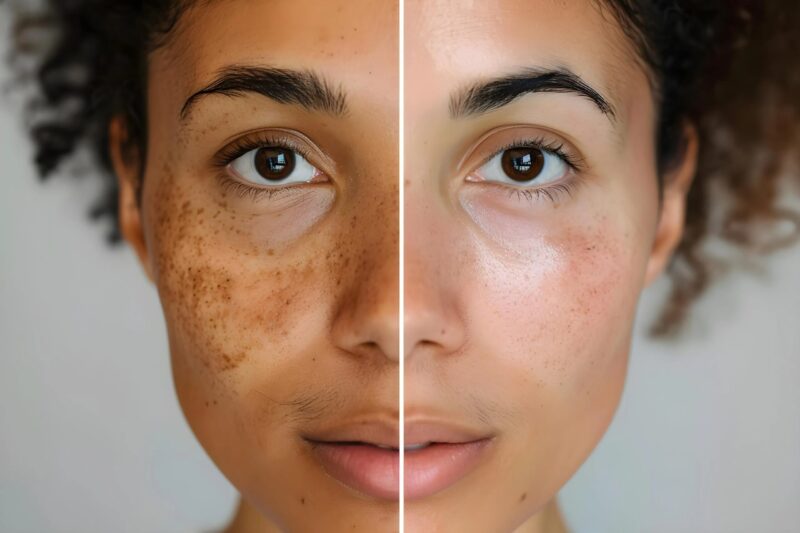
When dealing with skin pigmentation Singapore, dermatologists often combine multiple approaches to achieve optimal results.
Treatments are designed to target melanin-producing cells while minimizing damage to surrounding tissue. This ensures the skin not only becomes more even in tone but also remains healthy and resilient.
One common method involves laser therapy. Lasers can selectively target pigmented areas, breaking down excess melanin while encouraging new, healthier skin to emerge.
Chemical peels are another option, gently exfoliating the outer layer of the skin to reveal brighter, more uniform skin underneath.
Topical treatments, including brightening creams and serums, are often used in conjunction to reinforce results and maintain even pigmentation over time.
Consistency in following the dermatologist’s recommendations is key. Many patients notice significant improvement within a few sessions, but ongoing care is usually necessary to prevent recurrence.
Understanding the Causes of Uneven Skin Tone
Pigmentation issues develop when melanin production becomes uneven. Factors that contribute include:
- Sun exposure, which stimulates melanin production and can worsen existing patches
- Hormonal changes, such as during pregnancy or while using hormonal therapy
- Inflammation from acne, eczema, or other skin conditions
- Aging, which can cause sunspots and uneven pigmentation
By understanding the root cause of pigmentation, dermatologists can design treatment plans that are personalized and effective. This approach ensures that interventions target both current pigmentation and the factors that may trigger future discoloration.
Choosing the Right Approach
Not all pigmentation treatments are suitable for every skin type. Skin pigmentation can vary in depth and intensity, so proper assessment by a qualified dermatologist is crucial.
They will evaluate your skin, discuss your goals, and recommend a treatment plan that balances effectiveness with safety.
In some cases, a combination of in-clinic procedures and at-home skincare is the best strategy. Laser treatments or chemical peels may be performed periodically to reduce existing discoloration, while topical agents help maintain results and prevent new pigmentation from forming.
The treatment plan is often tailored to individual needs, taking into account skin sensitivity, lifestyle, and personal goals. Patients who follow these personalized plans tend to achieve smoother, more even skin while minimizing downtime and irritation.
Supporting Skin Health During Treatment

While undergoing pigmentation treatments, supporting the skin’s health is essential. Gentle cleansing, adequate hydration, and sun protection are crucial to maintaining the results. Sunscreen protects the skin from UV rays, which can worsen pigmentation and trigger new spots. Wearing hats or seeking shade further helps reduce sun exposure, especially after active treatments.
Avoiding harsh skincare products or over-exfoliating ensures the skin barrier remains intact. Using soothing moisturizers and following the dermatologist’s recommendations promotes faster recovery and reduces irritation.
The Emotional Aspect of Pigmentation
Discoloration can affect confidence, self-esteem, and overall well-being. Patients often report feeling self-conscious about dark patches, uneven tone, or age spots. Addressing pigmentation not only improves appearance but also helps individuals feel more comfortable and confident in their own skin.
Working closely with a dermatologist ensures that patients feel supported throughout the process. Understanding the causes, treatments, and maintenance strategies allows individuals to take control of their skin concerns with confidence.
Maintaining Long-Term Skin Brightness
Sustaining even skin tone requires more than one treatment. Many patients benefit from periodic follow-ups and maintenance sessions to reinforce results. Combining in-clinic procedures with consistent home care prevents new pigmentation and keeps the skin looking fresh and healthy.
Lifestyle choices also play a role in long-term results. Proper sun protection, balanced skincare routines, and avoiding triggers like harsh chemicals or excessive heat all contribute to healthier, more even skin. Over time, this comprehensive approach promotes lasting improvement rather than temporary correction.
When to Seek Professional Help
Consult a dermatologist if you experience any of the following:
- Dark patches that persist despite over-the-counter products
- Pigmentation that worsens after sun exposure
- Uneven skin tone affecting confidence or daily life
- New spots or changes in existing pigmentation
- Uncertainty about which treatments are safe for your skin type
Professional assessment helps identify the right treatment plan and ensures safety while maximizing results.
Achieving Radiant and Even Skin
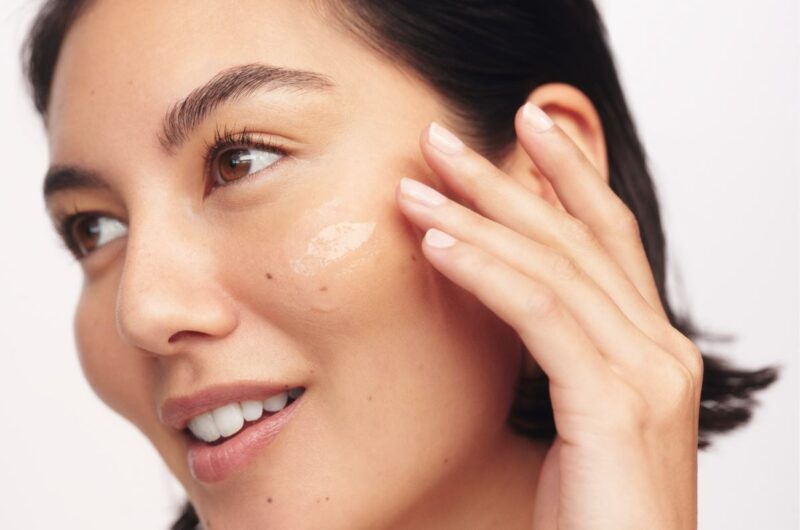
Correcting pigmentation is about more than removing dark spots. It is about restoring confidence, improving skin health, and fostering a consistent skincare routine that supports long-term results. Modern dermatologic care provides effective, personalized options that address both current pigmentation and the factors that may cause it to return.
Patients who commit to ongoing care often enjoy brighter, smoother skin that reflects both health and confidence. With professional guidance, achieving more even skin tone becomes a realistic and rewarding goal.
Commonly Asked Questions
Can pigmentation treatments work on all skin types
Yes, but treatment settings and methods may be adjusted based on individual skin sensitivity and tone.
How soon can I see results from laser treatment
Some improvement may be visible after the first session, with more significant results developing over several weeks.
Are chemical peels safe for sensitive skin
Yes, dermatologists can customize peel strength to suit sensitive or reactive skin types.
Can sun exposure reverse treatment results
Sun exposure can worsen pigmentation, so strict sun protection is necessary to maintain outcomes.
Is ongoing treatment necessary to prevent recurrence
Maintenance care is often recommended to ensure pigmentation remains controlled and the skin stays even.
Next Steps
If uneven pigmentation is affecting your confidence or daily life, scheduling a consultation with a dermatologist can help you understand which treatments are best suited for your skin type. By combining professional procedures with a consistent skincare routine, it is possible to achieve smoother, more radiant skin while minimizing recurrence and supporting long-term skin health.