
There is no single “best” milk for everybody, because your nutritional needs, digestion, metabolism, allergies, and lifestyle determine which milk supports your health most effectively.
The concrete truth is this: cow’s milk is best for people who need complete proteins, calcium, and vitamin D; oat milk is best for those who want a creamy, high-carb, eco-friendly option; almond milk is best for low-calorie diets; soy milk is best for balanced nutrition closest to dairy; and coconut milk is best for people avoiding carbs or seeking richness.
1. Dairy Milk: Complete Nutrition, High Protein, but Not for Everybody

Cow’s milk remains one of the most complete nutritional beverages available. It contains naturally occurring calcium, high-quality protein, vitamin B12, iodine, and potassium, along with fortified vitamin D in many countries.
The protein in dairy – casein and whey – is uniquely valuable because it supports muscle repair, energy stability, and long-term satiety better than most plant-based alternatives.
However, dairy is also one of the most polarizing foods. Nearly 70% of adults globally experience some degree of lactose intolerance, which can cause bloating, cramping, gas, and digestive discomfort.
Some people also have dairy allergies, acne sensitivity, or inflammation tied to certain dairy proteins. For those individuals, dairy becomes a trigger rather than a source of nourishment.
Still, for people who tolerate it well, dairy offers unmatched nutritional completeness, especially for children, athletes, and individuals struggling to meet protein needs.
Nutrient
Amount
Calories
150
Total Protein
8 g
Total Fat
8 g
Carbohydrates
12 g
Calcium
~300 mg
Vitamin D
15–25% DV (fortified)
Lactose
Yes
2. Oat Milk: Creamy, Comforting, and the Most Digestible for Many
Oat milk became popular because it feels satisfying and behaves much like dairy in coffee and cooking. Its natural carb structure gives it a creamy texture without added fats.
It’s also one of the gentlest milks for digestion – ideal for people with lactose intolerance, nut allergies, or sensitive stomachs.
Oat milk tends to be higher in carbohydrates than almond or soy milk, making it appropriate for people who need long-lasting energy or pre-workout fuel. However, the carb level makes it less ideal for very low-carb diets.
Another factor is additives: many brands contain oils, stabilizers, or sweeteners, which can change nutritional value significantly. Choosing unsweetened versions gives you the cleanest profile.
For people who want a coffee-friendly, gut-friendly milk without worrying about protein or carbs, oat milk is often the most balanced choice.
Nutrient
Amount
Calories
120
Protein
3 g
Total Fat
5 g
Carbohydrates
16–19 g
Fiber
2 g
Calcium
25% DV (fortified)
Lactose
No
3. Almond Milk: Low-Calorie and Light, but Minimal Nutrition
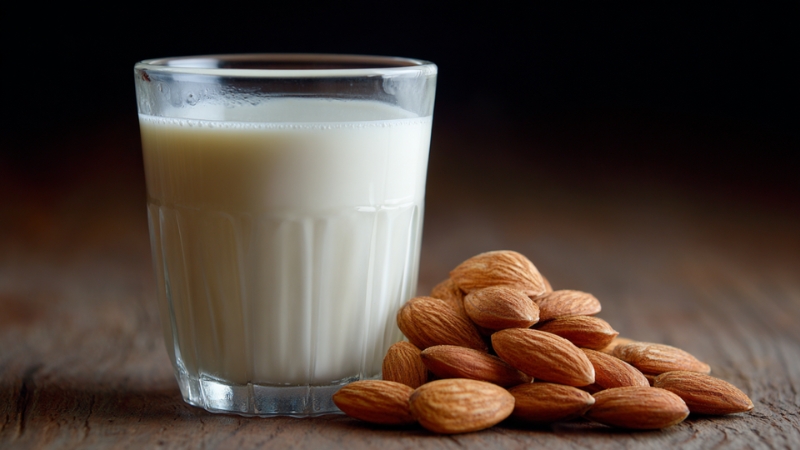
Almond milk is extremely low in calories, making it ideal for people tracking weight or managing calorie intake. It has almost no carbohydrates and very little fat in its unsweetened form, which means it can fit into many diets.
However, almond milk naturally contains almost no protein unless fortified. This makes it less ideal for people needing a nutrient-dense milk alternative.
Its water content is very high – most almond milks contain only 2–4% actual almonds. What this means is that almond milk functions best as a very light milk replacement, not a nutritional beverage.
It’s good for cereal, smoothies, and coffee if you prefer a lighter flavor, but it won’t contribute to muscle building or satiety.
For people who need low-calorie, low-carb, and mild-tasting milk without allergens, almond milk fits exceptionally well. But for overall nutrition, it needs to be paired with other foods rich in protein and micronutrients.
Nutrient
Amount
Calories
30–40
Protein
1 g
Total Fat
2.5 g
Carbohydrates
1–2 g
Calcium
20–35% DV (fortified)
Fiber
0 g
Lactose
No
4. Soy Milk: The Most Balanced Plant Milk and Closest to Dairy
View this post on Instagram
Soy milk is the only plant milk that naturally offers a protein profile close to dairy. It contains all essential amino acids and has a similar calorie and fat composition to reduced-fat dairy.
For vegetarians, vegans, or people trying to build muscle without relying on dairy, soy milk is one of the most nutritionally complete choices.
It also contains phytoestrogens – plant compounds that mimic estrogen weakly – which have been widely studied. The scientific consensus shows soy is safe for most people and may even support heart health and hormonal balance when consumed in moderate amounts.
However, individuals with soy allergies must avoid it.
If you want a plant milk that delivers real protein and consistent energy without being heavy, soy milk is often the smartest functional choice.
Nutrient
Amount
Calories
80–100
Protein
7 g
Total Fat
4 g
Carbohydrates
4 g
Calcium
20–30% DV (fortified)
Iron
1–1.5 mg
Lactose
No
5. Coconut Milk: Rich, Silky, and Naturally Low-Carb
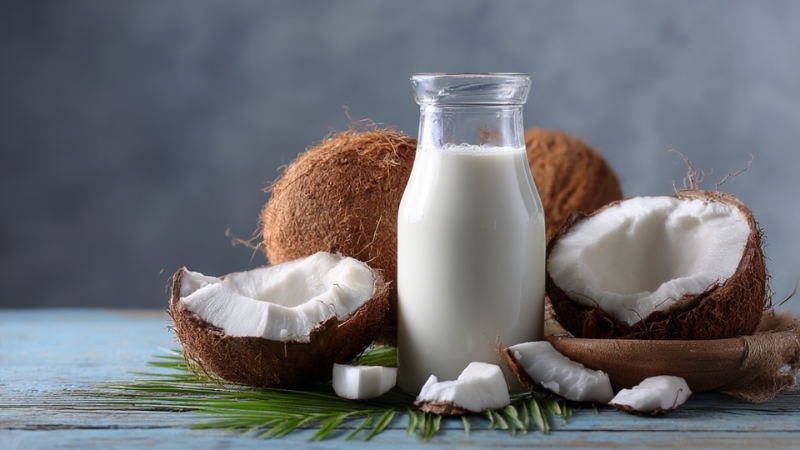
Coconut milk creates a creamy texture without dairy and without significant carbohydrates. Its fat content – mostly medium-chain triglycerides (MCTs) – provides quick energy for people following low-carb or ketogenic diets.
However, coconut milk contains almost no protein and limited micronutrients unless fortified.
It also has a strong flavor that doesn’t blend seamlessly in every recipe. Coconut milk works extremely well in cooking – curries, soups, baking – and as a coffee creamer, but not always as a primary milk substitute for everyday use.
For people avoiding carbs or those who want richness without dairy, coconut milk makes sense in moderation.
Nutrient
Amount
Calories
45
Protein
0 g
Total Fat
4.5 g
Carbohydrates
1 g
Calcium
10–30% DV (fortified)
Saturated Fat
4 g
Lactose
No
6. Rice Milk: Hypoallergenic but High in Carbs
@mysfreshsmoothies Rice milk is a great non-dairy alternative because it is hypoallergenic, which means if you are allergic to dairy, soy, or nuts, you can have a glass of rice milk. It is loaded with antioxidants, ✨A great source of B vitamins ✨It promotes cardiovascular health ✨ No Saturated Fat or Cholesterol ✨ Suitable for people with lactose intolerance ✨ Promote bone density ✨ Protects your skin from premature aging due to sun damage. Rice milk is not as creamy as the other milk, but you can use it for smoothies, morning cereals, baking, and oatmeal. Now, as healthy as it is, it has some side effects, so before trying it, do your research first. DM me for the recipe and my other homemade milk. #ricemilk #homemadericemilk #vegan #dairyfree #milkalternative #naturalremedies #healingmyself #antioxidants #bonehealth #ricemilksmoothie #ricemilkforhair #ricemilkforskin ♬ No Matter How Hard We Try – Moon
Rice milk is the simplest, most hypoallergenic option among all milk types. It contains no soy, nuts, gluten, or lactose, making it ideal for people with multiple sensitivities.
However, its carbohydrate content is the highest of all milk alternatives, and it contains almost no protein or fat.
Because of its high glycemic index, rice milk isn’t ideal for people managing blood sugar. It works best for individuals who need allergen-free, easy-to-digest liquid options but do not rely on milk for nutrition.
Nutrient
Amount
Calories
120–130
Protein
1 g
Total Fat
2–2.5 g
Carbohydrates
22–24 g
Calcium
20–30% DV (fortified)
Fiber
0 g
Lactose
No
7. Hemp Milk: A Growing Favorite for Balanced Omegas
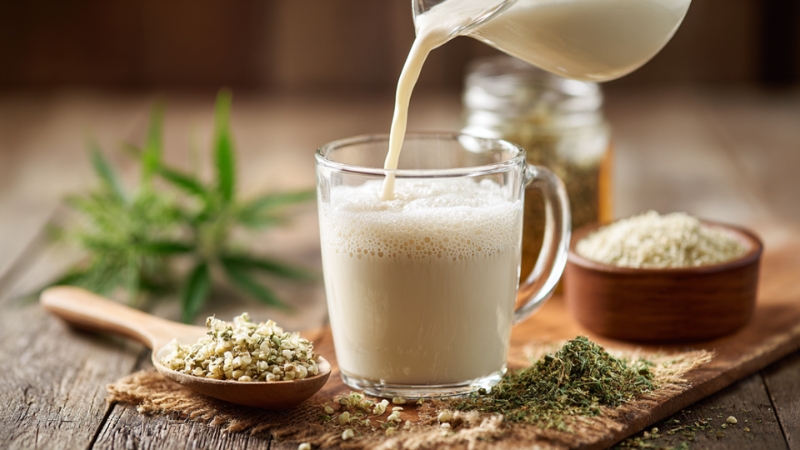
Hemp milk has become more popular because of its naturally balanced omega-3 and omega-6 fatty acid profile. It has a mild nutty flavor and contains more protein than almond or rice milk, though still less than soy milk.
Its micronutrient content is slightly higher than most alternative milks, especially in iron, magnesium, and healthy fats. Hemp milk works well for people who want a nutrient-dense plant milk without soy or nuts.
Nutrient
Amount
Calories
60–80
Protein
3–4 g
Total Fat
4.5–6 g
Carbohydrates
0–1 g
Iron
10–20% DV
Omega-3
Present
Lactose
No
Conclusion
No single milk can be universally crowned as “the best.” Each one benefits different people based on metabolism, digestive comfort, protein needs, calorie goals, allergies, and lifestyle.
Dairy remains unmatched for complete nutrition, soy gives the most balanced plant-based profile, oat provides gentle digestion and richness, almond supports low-calorie diets, coconut suits low-carb lifestyles, hemp brings omega balance, and rice fits complex allergy needs.
Understanding your body’s needs is the only way to choose the right milk. When you match your milk choice to your physiology and goals, it becomes a powerful part of your daily nutrition – not just a trendy beverage.