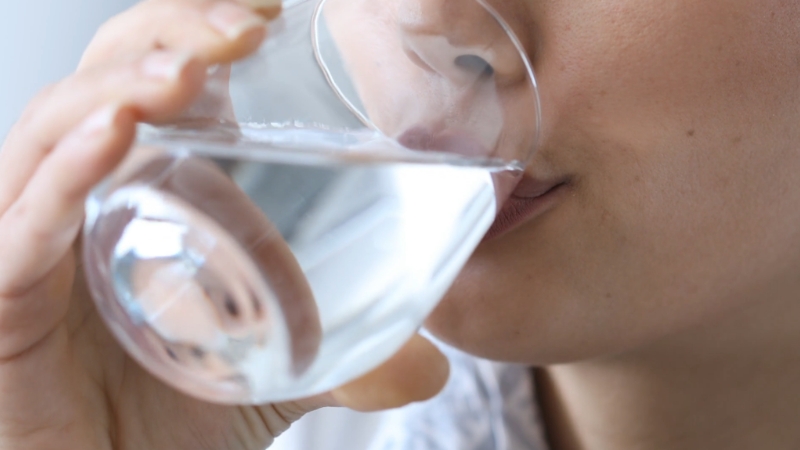
If you increase your daily water intake for 30 days, especially if you currently drink less than 1.5 liters per day, you will see measurable changes in energy, digestion, skin quality, headaches, fluid retention, and overall metabolic function.
The concrete truth is simple: hydration is a biological multiplier, meaning every major system in your body performs better when you consistently drink enough water.
Most people experience improvements in the first week, but the most noticeable benefits appear between days 14 and 30, once hydration becomes stable inside the body’s tissues.
The 30-day water challenge is not a fad diet. It is a controlled hydration reset that allows the body to function under ideal conditions, helping many people feel lighter, clearer, more regular, and more energized.
1. What the 30-Day Water Challenge Actually Involves
The challenge is simple: you drink a specific amount of water every day for 30 days, usually between 2 to 3 liters depending on your body size, climate, and activity level.
The goal is not to force excessive intake but to supply enough hydration consistently for your body to regulate temperature, digestion, circulation, and detoxification without stress.
Most people underestimate how much water they need because hydration comes from multiple sources: food, beverages, and internal metabolic water. But when you control intake deliberately for 30 days, your body settles into a predictable rhythm.
Organs work more efficiently, hormones stabilize, and even fat metabolism becomes more responsive because hydration affects cellular activity.
2. Week 1: Immediate Physical Changes
In the first 3–7 days, the body responds quickly because water levels in tissues rise. People often report frequent bathroom trips at first, not because water is being wasted, but because the kidneys are adjusting to higher fluid volume and flushing excess sodium.
One of the first noticeable improvements is digestion. Adequate hydration softens stool, improves intestinal movement, and reduces bloating caused by dehydration.
People prone to mild headaches or afternoon fatigue often experience reduced symptoms simply because more oxygen reaches the brain when blood volume increases.
Skin improvements begin early, too. Hydration strengthens the skin barrier and enhances elasticity, which reduces tightness, dryness, and fine lines for many individuals.
Week 1 Changes
| Change | Why It Happens |
| More frequent urination | Kidneys flush excess sodium |
| Reduced headaches | Increased blood volume improves oxygen flow |
| Better digestion | Hydrated intestines move food more efficiently |
| Decreased bloating | The body releases water once dehydration stress ends |
| Slight energy boost | Improved circulation + electrolyte balance |
3. Week 2: Metabolism and Energy Stabilize

Around days 8–14, the body begins operating consistently in a hydrated state. This is when bigger changes occur. Fatigue drops noticeably because water plays a major role in converting food into usable energy.
Hydration also improves muscle function, meaning you may feel stronger during workouts or even during daily tasks.
Skin hydration becomes more visible in week 2. Many people report smoother texture, fewer breakouts, and a brighter complexion.
This does not come from water “moisturizing” the skin directly, but from improved circulation and reduced inflammation.
Another major shift is appetite regulation. Mild dehydration can mimic hunger because the brain interprets low hydration as low energy. Once fully hydrated, cravings drop, and meal timing feels more natural.
| Benefit | Biological Explanation |
| More stable energy | Hydration improves ATP production |
| Clearer skin | Better blood flow + reduced inflammatory stress |
| Improved workouts | Hydrated muscles contract more efficiently |
| The brain | |
| Less afternoon fatigue | Better electrolyte and oxygen transport |
4. Week 3: Internal Systems Work Optimally
View this post on Instagram
By days 15–21, hydration patterns become automatic. Your kidneys adjust fully, bathroom frequency normalizes, and your body maintains ideal fluid levels throughout the day.
At this stage, deeper organs show improvement. Digestion becomes smoother, gut motility becomes consistent, and toxin filtration speeds up.
Many individuals also notice fewer muscle cramps or tension headaches because hydration supports nerve communication and muscle recovery.
Sleep quality often improves in week 3 as well. Hydrated tissues allow better regulation of nighttime temperature and reduce the micro-stress responses that can interrupt REM cycles.
People who experience nighttime snacking habits sometimes see reductions because hydration stabilizes blood sugar patterns.
| System | Improvement |
| Digestion | Balanced gut motility, less constipation |
| Muscles | Fewer cramps, easier recovery |
| Sleep | More stable body temperature, deeper rest |
| Hormonal balance | Hydration reduces cortisol spikes |
| Cognitive clarity | Better fluid balance in brain tissue |
5. Week 4: Full-Body Long-Term Benefits Become Noticeable

Days 22–30 bring the most noticeable cumulative improvements. Skin often looks visibly healthier, digestion becomes predictable, and the body regulates temperature more efficiently.
Many people feel mentally sharper, less foggy, and more emotionally stable, because hydration affects neurotransmitter production and circulation in the brain.
This phase is also where people report reduced joint stiffness. Water lubricates joints, cushions cartilage, and supports the fluid inside synovial membranes.
Anyone with a high-sodium diet or an inflammation-prone body often feels lighter and less swollen during this period.
Weight changes vary. Some people lose weight indirectly because thirst triggers a decrease in overeating, while others simply feel less bloated or puffy because the body stops retaining water under stress.
| Change | Mechanism |
| Better skin elasticity | Hydration strengthens the epidermal barrier |
| Less joint stiffness | Synovial fluid improves with hydration |
| Reduced puffiness | The body no longer compensates for dehydration |
| Sharper focus | Improved oxygen + nutrient flow to the brain |
| More consistent mood | Hydration supports neurotransmitters |
6. Scientific Benefits Backed by Research
Increasing water intake influences several measurable health markers:
- Improved kidney filtration (GFR)
- Lower cortisol in mild dehydration states
- Better cardiovascular efficiency
- Enhanced metabolic function
- Improved thermoregulation
- Higher cognitive performance on attention-based tasks
The body works best when it isn’t under the stress of chronic low hydration. The 30-day challenge allows your system to operate at peak efficiency.
How Much Water You Actually Need During the Challenge
The ideal daily intake varies, but generally follows:
Recommended Water Intake by Body Weight
| Body Weight | Minimum Daily Intake |
| 50–60 kg | 1.8–2.2 liters |
| 65–75 kg | 2.3–2.7 liters |
| 80–95+ kg | 2.8–3.4 liters |
| Active or hot climate | +0.5–1 liter extra |
Hydration also comes from fruit, vegetables, tea, or soups, but during the challenge, water should be the primary focus.
Realistic Expectations: What the Challenge Will NOT Do
Water improves many bodily functions, but it does not:
- melt fat without calorie changes
- clear severe acne
- replace sleep, nutrition, or exercise
- detox the body beyond normal kidney and liver function
The challenge supports natural processes; it does not override biology. What you get is a more efficient version of your current health habits.
Conclusion
@tahjaera PART 1 | Do you even like drinking water so much? #drinkingwater #acneskin #waterchallange #skintexture ♬ original sound – R-LO
The 30-day water challenge demonstrates how dramatically hydration affects energy, digestion, mental sharpness, skin health, sleep, and overall wellness.
Many of these changes occur quietly, inside cells, blood vessels, and organs, but the visible results are undeniable.
Most people finish the challenge feeling cleaner, lighter, more focused, and more physically comfortable.
The reason is simple: when you give the body enough water, it finally stops compensating for a shortage and starts functioning under optimal conditions.