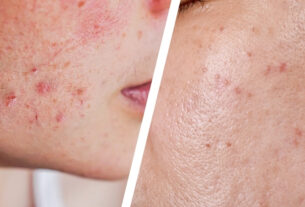
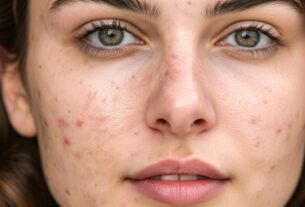
Acne scarring can be a frustrating reminder of past skin struggles. Even after active acne clears, residual marks and indentations can impact confidence and self-esteem.
While scars are a natural part of the healing process, advances in dermatology now offer ways to strengthen the skin and improve its overall appearance.
Understanding how acne scars form and how they can be treated is essential for anyone hoping to restore smooth, resilient skin.
Acne scars vary in type and depth. Some may appear as shallow marks, while others create deeper depressions in the skin. The type of scar affects how it can be treated and how long the recovery process might take. Knowing the underlying cause of the scarring is the first step toward selecting the most effective treatment plan.
How Acne Scars Develop and Why They Persist
Acne scars develop when inflammation from acne damages the skin’s structure. The
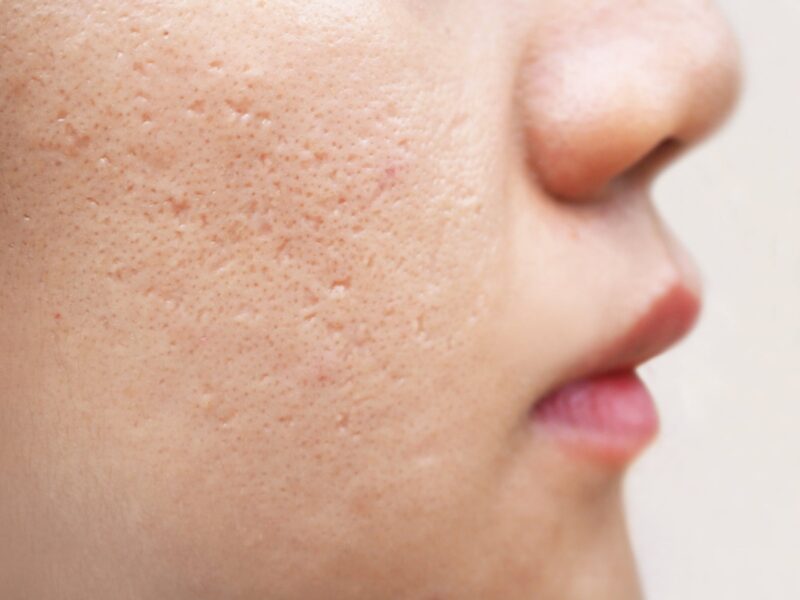
skin responds by producing new collagen, but this process is often uneven, leading to visible indentations or raised scars. Some scars fade naturally over time, but many require intervention to improve texture and tone.
Environmental factors, genetics, and the severity of the original acne all influence the extent of scarring. In Singapore, the humid climate can exacerbate post-inflammatory hyperpigmentation, making scars appear more prominent. Because acne scarring involves both texture and pigmentation, comprehensive treatment plans often combine multiple approaches.
An acne scars treatment Singapore is designed to address these issues at different layers of the skin. The goal is not only to improve appearance but also to restore structural integrity and resilience.
The Role of Professional Treatment
Over-the-counter creams and home remedies often fall short when addressing deeper or older acne scars. While they may lighten discoloration or smooth minor texture issues, they cannot fully correct structural damage.
Professional treatments focus on stimulating collagen production and resurfacing the skin. These treatments are tailored to the individual’s skin type, scar severity, and sensitivity. By customizing the approach, dermatologists help ensure safer results and minimize the risk of further irritation.
Common Techniques Used in Acne Scar Management
Several techniques are frequently used to treat acne scars. Microneedling, sometimes combined with radiofrequency energy, creates tiny channels in the skin to trigger natural healing and collagen production. This helps reduce the depth of indented scars and improve overall texture.
Laser therapy targets both pigmentation and structural irregularities. It works by breaking down damaged tissue and promoting regeneration, often resulting in smoother and more even skin.
Chemical peels may also be incorporated to exfoliate the skin and encourage new cell growth. They are particularly effective for post-inflammatory hyperpigmentation and mild texture irregularities.
Subcision is another option for deeper scars, where a dermatologist gently releases the fibrous bands beneath the skin, allowing the surface to lift and smooth over time.
Maintenance and Skincare After Treatment

After professional acne scars treatment Singapore, post-care is essential to maintain results and support healing.
Using gentle cleansers and moisturizers helps the skin recover without irritation.
Broad-spectrum sunscreen is particularly important to prevent hyperpigmentation and protect newly treated skin from UV damage.
Consistency in daily skincare routines can make a noticeable difference in long-term outcomes. Patients who follow professional guidance often experience longer-lasting improvement and reduced risk of new scarring.
Lifestyle Factors That Support Skin Healing
Nutrition, hydration, and stress management all play a role in skin health. A balanced diet rich in vitamins and antioxidants supports collagen production and tissue repair. Staying hydrated helps maintain skin elasticity and resilience.
Stress can indirectly affect healing by increasing inflammation and disrupting sleep, both of which are important for skin recovery. Incorporating relaxation techniques or regular exercise may contribute positively to the overall appearance of treated skin.
Emotional Considerations in Acne Scar Treatment
Acne scarring can affect confidence and self-image. Patients often feel self-conscious about noticeable scars, even when they are minor. Discussing these concerns with a dermatologist can provide reassurance and realistic expectations for treatment.
Understanding that improvement is gradual helps reduce frustration. Professional care aims for steady progress rather than overnight perfection, and celebrating small improvements can motivate patients to continue their regimen.
When to Seek Professional Help
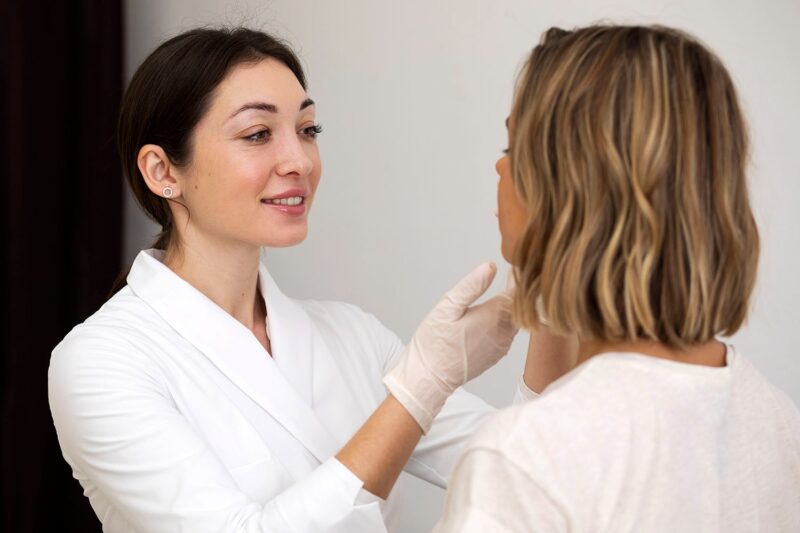
Patients should consider consulting a dermatologist if they notice:
- Persistent or deep acne scars that affect confidence
- Scars that do not improve with home care or over-the-counter products
- Skin discoloration or pigmentation associated with scarring
- Previous treatments that caused irritation or did not yield results
- Uncertainty about which procedure is suitable for their skin type
Professional assessment ensures that the most effective and safe treatments are applied.
Supporting Stronger, Healthier Skin
Effective acne scars treatment Singapore involves a combination of expert procedures, consistent home care, and lifestyle adjustments.
Strengthening the skin’s structure not only improves appearance but also reduces the likelihood of future scarring.
Patience and commitment to the process are key, as results develop gradually over time.
By approaching acne scarring comprehensively, patients can achieve smoother, more resilient skin while protecting their long-term skin health.
Ongoing care ensures that improvements are maintained and that skin remains balanced and vibrant.
Commonly Asked Questions
Can acne scars disappear completely
Complete disappearance is rare, but professional treatments can significantly improve texture and tone.
How long does it take to see results
Many patients notice improvement within a few weeks, with continued progress over several months.
Are treatments painful
Most procedures are well-tolerated, with discomfort minimized through topical anesthetics or cooling techniques.
Can acne scars worsen after treatment
With proper care and adherence to post-treatment instructions, worsening is uncommon.
Are results permanent
Improvements are long-lasting when patients maintain good skincare and sun protection habits.
Next Steps
If acne scars are affecting your confidence or quality of life, scheduling a consultation at a reputable clinic can help you develop a personalized treatment plan.
By combining professional procedures, consistent skincare, and healthy lifestyle habits, you can gradually strengthen your skin structure and enjoy smoother, more radiant skin over time.