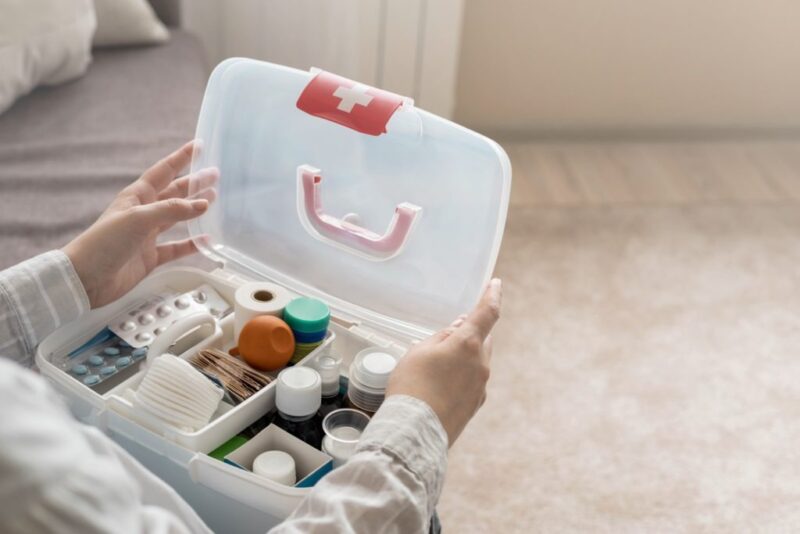
A home first aid kit is a collection of basic medical supplies intended for immediate, short term care of minor injuries or sudden health symptoms until professional care is available or deemed unnecessary.
A review published in the journal Injury Prevention noted that a large share of household injuries happen within a few steps of everyday routines, cooking, cleaning, or simple repairs. Many of those injuries are minor, but timing matters. The first few minutes often shape how well someone recovers.
That reality raises a simple question worth asking before anything goes wrong. If a small accident happened at home today, would the right supplies be within reach?
A home first aid kit is not about preparing for dramatic emergencies. It is about readiness for the common and the ordinary. Cuts, burns, allergic reactions, and fevers rarely arrive with warning. A well planned kit supports calm decisions and sensible care while waiting to see whether further medical help is needed.
Why every household needs a thoughtfully built first aid kit
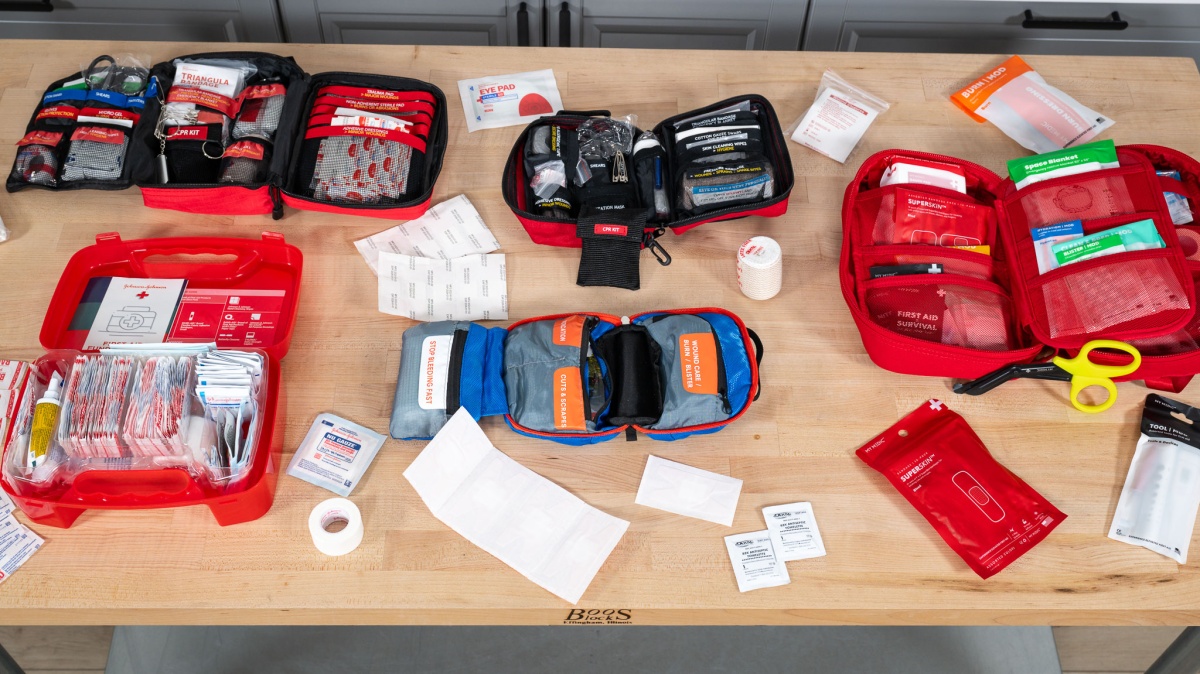
Homes are busy environments where sharp tools, hot surfaces, medications, and allergens all coexist. Children, older adults, and even healthy adults face different risks within the same space. A first aid kit creates a shared point of response that reduces hesitation and guesswork when something happens.
Health organizations such as the Centers for Disease Control and Prevention consistently emphasize early wound care and infection prevention. Simple measures such as cleaning a cut properly and covering it can significantly lower complication rates. Those steps become harder when supplies are scattered or missing.
A well organized kit also supports decision making. When basic tools are available, people are less likely to improvise with unsuitable items. That alone lowers the risk of worsening an injury. Think of the kit as a quiet safety net, rarely used, but valuable precisely because it is ready.
Supplies alone do not create preparedness. Many injuries require simple but time sensitive actions such as proper wound cleaning or correct positioning after a fall.
Structured training builds confidence and programs offered by trusted providers like MyCPR NOW help bridge the gap between theory and action by focusing on realistic scenarios and evidence-based responses.
Core supplies every home first aid kit should include
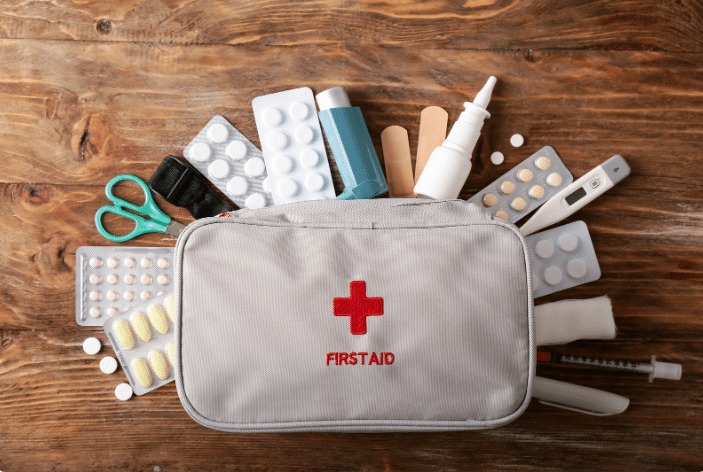
Before considering special situations, every household benefits from a reliable core set of items. These supplies address the most frequent minor injuries and symptoms seen at home. Quality matters more than quantity. Choose items that are durable, clearly labeled, and easy to use under mild stress.
Most standard kits should include the following categories rather than just individual items:
- Wound care basics such as sterile gauze pads, adhesive bandages in several sizes, and medical tape.
- Cleaning and protection tools including antiseptic wipes, saline solution, and disposable gloves.
- Symptom relief items such as pain relievers, fever reducers, and antihistamines where appropriate.
- Simple tools like scissors, tweezers, and a digital thermometer.
Avoid stocking items you do not understand how to use. Complexity adds risk. A well chosen kit supports calm, straightforward actions that align with basic medical guidance rather than advanced procedures.
Medications and topical treatments, choosing what makes sense
Medications often create uncertainty in home kits. The aim is not to build a pharmacy, but to cover predictable, low risk needs. Over the counter pain relievers, antipyretics, and allergy medications are reasonable for many households when used correctly.
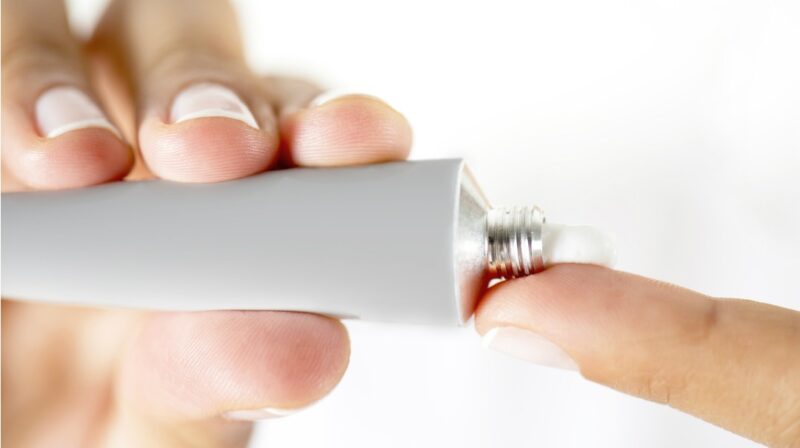
Topical treatments also play a role. Antibiotic ointments can help prevent infection in small wounds when applied to clean skin. Hydrocortisone cream may relieve mild skin irritation or insect bites. Burn gels designed for minor thermal injuries can provide comfort and reduce further tissue irritation.
Storage and expiration dates matter here. Medications lose effectiveness over time and may degrade if exposed to heat or moisture. A medication that sits forgotten for years does not offer real protection. Keep a simple list inside the kit noting expiration dates and review it regularly to maintain safety and usefulness.
Special considerations for children, seniors, and chronic conditions
No two households are identical. A family with young children faces different risks than a household with older adults or individuals managing chronic illness. Tailoring a first aid kit means anticipating those realities.
For homes with children, consider child safe dosing tools for medications and barrier creams for skin irritation. Small finger bandages and instant cold packs can be useful for playground related injuries. Seniors may benefit from items that support skin integrity and circulation, such as non adhesive dressings and compression bandages when advised by a clinician.
Chronic conditions require careful thought. Asthma inhalers, glucose testing supplies, or epinephrine auto injectors belong where they are quickly accessible, not buried. Coordination with a healthcare provider helps ensure that added items are appropriate and safely stored.
How to store and organize your first aid kit effectively
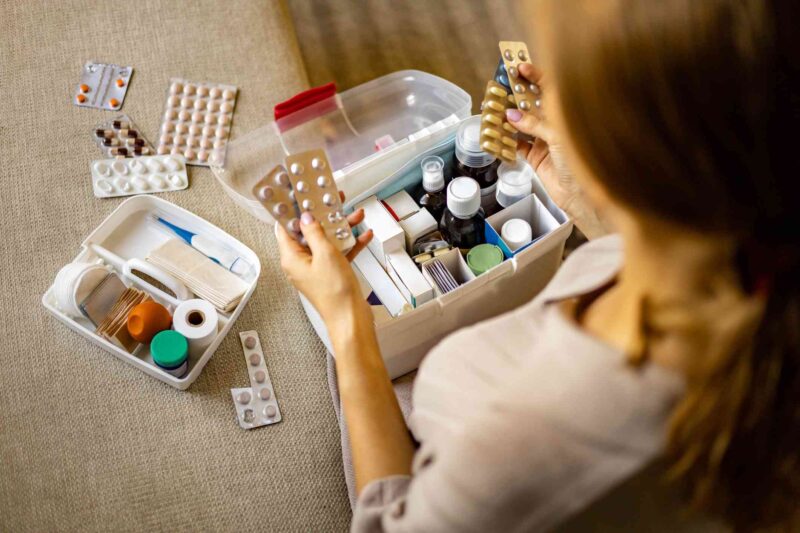
Accessibility often matters more than completeness. A perfectly stocked kit does little good if it is hard to find or difficult to open quickly. Choose a location that is dry, cool, and known to all household members.
Organization supports speed and accuracy. Group items by purpose rather than by size. Clear internal pouches or labeled sections reduce searching and confusion. Avoid mixing medications with wound care tools when possible.
The table below shows a simple organizational approach many households find effective.
| Section | Example contents | Purpose |
| Wound care | Gauze, bandages, antiseptic | Treat cuts and abrasions |
| Tools | Scissors, tweezers, gloves | Support safe handling |
| Medications | Pain relievers, antihistamines | Symptom relief |
| Special items | Inhalers, glucose supplies | Condition specific needs |
This structure keeps actions focused and reduces mistakes during stressful moments.
Building calm readiness at home
A home first aid kit reflects how a household thinks about health. It signals respect for the body and an understanding that small actions matter. When built thoughtfully and maintained regularly, the kit becomes a quiet support system rather than a source of anxiety.
Preparedness does not require medical expertise or expensive gear. It requires attention, basic knowledge, and a willingness to review and adjust over time. The most effective kits are not the largest ones. They are the ones people understand and trust.
In that sense, a first aid kit is less about equipment and more about mindset. Calm readiness, grounded in science and practical care, serves households far better than dramatic promises or overconfidence.