Trauma reactions can show up in ways that are easy to miss, misunderstand, or mislabel especially when they overlap with other mental health challenges. If you’re wondering what are the signs of someone experiencing a trauma reaction, the answer is both nuanced and deeply human. Trauma doesn’t follow a single pattern. It can affect thoughts, emotions, behaviors, and even the body in ways that vary from person to person.
At its core, a trauma reaction is the mind and body’s response to an overwhelming or distressing event. For some, symptoms appear immediately. For others, they surface weeks, months, or even years later. Understanding these signs is especially important when considering getting help for co-occurring disorders, where trauma may exist alongside conditions like anxiety, depression, or substance use.
This article explores how trauma reactions manifest, why they can be complex, and how recognizing them can be the first step toward meaningful support and healing.
Understanding Trauma Reactions
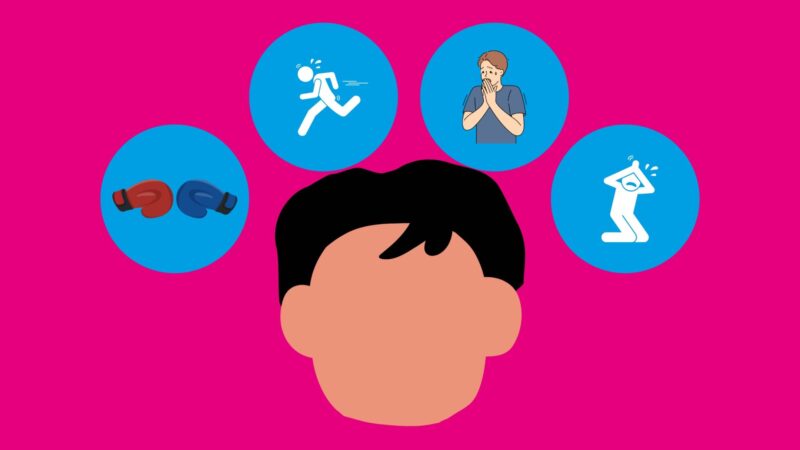
Trauma is not defined solely by what happened, but by how the experience was processed internally. Events such as accidents, abuse, loss, violence, or prolonged stress can all lead to trauma responses. What matters is whether the event overwhelmed a person’s ability to cope at the time.
A trauma reaction is the nervous system’s attempt to protect the individual. This can include heightened alertness, emotional shutdown, or avoidance behaviors. These responses are adaptive in the moment but can become disruptive if they persist.
Why Trauma Responses Can Be Hard to Recognize
One reason trauma reactions are often overlooked is that they don’t always appear dramatic. Instead of obvious distress, someone may seem withdrawn, irritable, or unusually tired. Others may appear high-functioning while silently struggling with intrusive thoughts or emotional numbness.
In many cases, trauma symptoms overlap with other mental health concerns. This overlap is where the concept of getting help for co-occurring disorders becomes particularly relevant. When trauma exists alongside another condition, it can complicate both diagnosis and treatment.
Emotional Signs of a Trauma Reaction
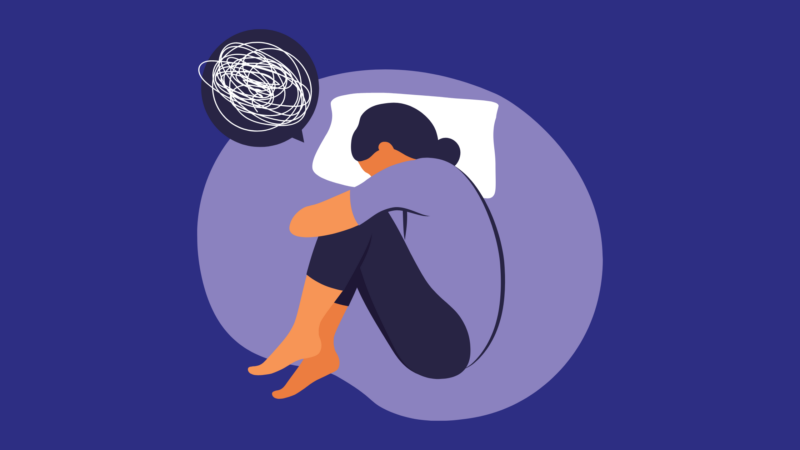
Emotional changes are often among the first indicators that someone is struggling with trauma. These shifts may be subtle or intense, depending on the individual and the nature of the experience.
Persistent Anxiety or Fear
A person experiencing a trauma reaction may feel constantly on edge, even in safe environments. This heightened sense of danger can make it difficult to relax or feel secure.
They might anticipate worst-case scenarios, struggle with racing thoughts, or feel a sense of dread without a clear cause. These symptoms can resemble generalized anxiety, which is why careful assessment is important.
Emotional Numbness
Not all trauma reactions involve heightened emotions. Some individuals experience the opposite: a sense of detachment or numbness. They may have difficulty feeling joy, sadness, or connection to others.
This emotional shutdown is a protective mechanism. However, over time, it can interfere with relationships and overall well-being.
Irritability and Mood Swings
Trauma can disrupt emotional regulation, leading to sudden mood changes or increased irritability. A person may become easily frustrated, angry, or overwhelmed by situations that previously felt manageable.
These shifts can strain personal and professional relationships, especially when others don’t understand the underlying cause.
Cognitive Signs of a Trauma Reaction
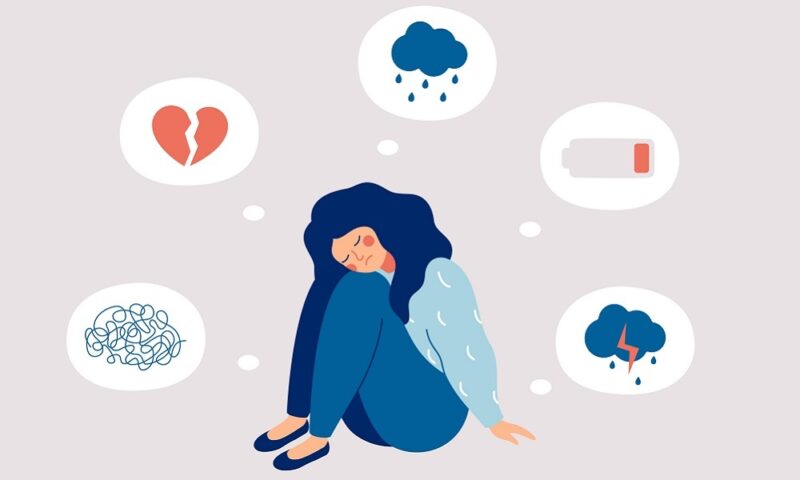
Trauma doesn’t just affect how someone feels it also changes how they think and process information.
Intrusive Thoughts and Memories
One hallmark of trauma is the presence of unwanted, intrusive thoughts. These may include flashbacks, distressing memories, or vivid mental images related to the event.
These experiences can feel as though the trauma is happening all over again, making it difficult to stay grounded in the present.
Difficulty Concentrating
Many individuals with trauma reactions report trouble focusing or completing tasks. Their mind may feel scattered, or they may become easily distracted.
This can impact work, school, and daily responsibilities, sometimes leading to misunderstandings about motivation or capability.
Negative Beliefs About Self or the World
Trauma can alter core beliefs, leading to thoughts like “I’m not safe,” “I can’t trust anyone,” or “Something is wrong with me.” These beliefs can become deeply ingrained and influence behavior in ways that reinforce isolation or avoidance.
Physical and Behavioral Signs
Trauma is not just psychological it is also physiological. The body often holds onto trauma, even when the mind tries to move forward.
Changes in Sleep Patterns
Sleep disturbances are extremely common. Someone may experience insomnia, frequent nightmares, or restless sleep. Others may sleep excessively as a way to escape distressing thoughts.
Poor sleep can worsen other symptoms, creating a cycle that is difficult to break without support.
Hypervigilance and Startle Response
A heightened state of alertness, known as hypervigilance, is another key sign. The person may be easily startled by loud noises, constantly scanning their environment for threats, or feeling unable to relax.
While this response is rooted in self-protection, it can be exhausting over time.
Avoidance Behaviors
Avoidance is a central feature of trauma reactions. This might involve steering clear of places, people, or situations that trigger memories of the event.
In some cases, avoidance extends to internal experiences, such as refusing to think or talk about what happened. While this may provide short-term relief, it often prolongs the healing process.
Increased Use of Substances
Some individuals turn to alcohol or drugs to cope with overwhelming emotions or memories. This can develop into a pattern that complicates recovery, particularly when trauma and substance use are intertwined.
This is a common scenario where getting help for co-occurring disorders becomes essential. Addressing both trauma and substance use simultaneously leads to more effective outcomes.
Trauma and Co-Occurring Disorders

Trauma rarely exists in isolation. It often coexists with other mental health conditions, creating a complex clinical picture.
What Are Co-Occurring Disorders?
Co-occurring disorders refer to the presence of both a mental health condition and a substance use disorder, or multiple mental health conditions at the same time. Trauma is frequently an underlying factor in these cases.
For example, someone may experience depression following a traumatic event and begin using substances to cope. Over time, both conditions reinforce each other.
Why Integrated Care Matters
Treating trauma without addressing accompanying conditions—or vice versa—can limit progress. Integrated care focuses on the whole person, recognizing how different issues interact.
Getting help for co-occurring disorders ensures that treatment plans are coordinated, comprehensive, and tailored to individual needs. This approach supports long-term recovery rather than short-term symptom management.
When Should Someone Seek Help?
Recognizing a trauma reaction is an important first step, but knowing when to seek help is equally critical.
Signs That Support May Be Needed
If symptoms persist for weeks or months, interfere with daily life, or lead to harmful coping strategies, professional support can make a significant difference.
Other indicators include difficulty maintaining relationships, declining performance at work or school, and feelings of hopelessness or disconnection.
Overcoming Barriers to Care
Many people hesitate to seek help due to stigma, fear, or uncertainty about what treatment involves. Others may minimize their experiences, believing they should be able to cope on their own.
Creating awareness about trauma reactions can help reduce these barriers. Understanding that these responses are common and treatable can encourage individuals to take the next step.
How Trauma Reactions Are Treated
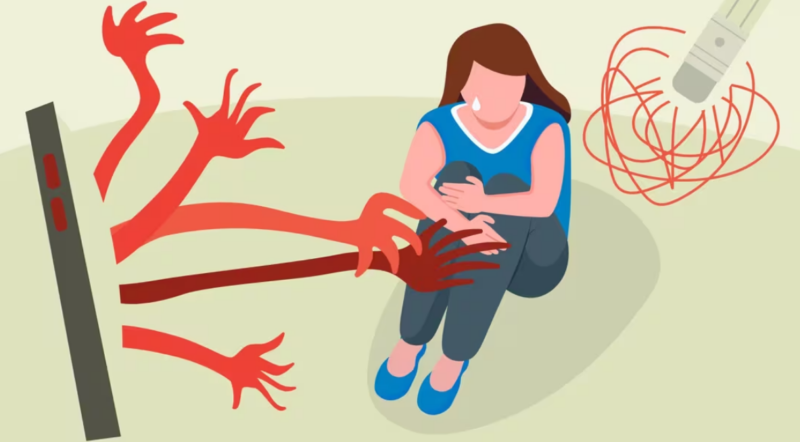
Effective treatment for trauma reactions often involves a combination of therapeutic approaches tailored to the individual.
Trauma-Informed Therapy
Trauma-informed care emphasizes safety, trust, and empowerment. Therapists work collaboratively with individuals to process experiences at a pace that feels manageable.
Approaches such as cognitive behavioral therapy (CBT), eye movement desensitization and reprocessing (EMDR), and somatic therapies are commonly used.
Addressing the Whole Person
When trauma is part of a broader pattern involving other conditions, treatment should reflect that complexity. This is where getting help for co-occurring disorders plays a central role.
Integrated treatment plans may include therapy, medication management, peer support, and lifestyle interventions. The goal is to address both the symptoms and their underlying causes.
Supporting Someone Experiencing a Trauma Reaction
If you’re concerned about a loved one, your support can have a meaningful impact.
Creating a Safe Space
Offering a nonjudgmental presence is often more helpful than trying to “fix” the problem. Listening, validating their feelings, and respecting their boundaries can foster trust.
Encouraging Professional Help
While support from friends and family is valuable, professional care is often necessary for lasting recovery. Encouraging someone to seek help without pressure or ultimatums can be a gentle but important step.
Moving Toward Healing
Trauma reactions are not a sign of weakness. They are a reflection of the brain and body doing their best to cope with overwhelming experiences. With the right support, these reactions can be understood, processed, and gradually transformed.
Recognizing the signs is the first step. Whether it’s emotional distress, cognitive changes, or behavioral shifts, each signal offers insight into what someone may be going through.
For individuals navigating both trauma and additional mental health challenges, getting help for co-occurring disorders provides a path forward that acknowledges the full scope of their experience. Healing is not about erasing the past it’s about building the capacity to live fully in the present.