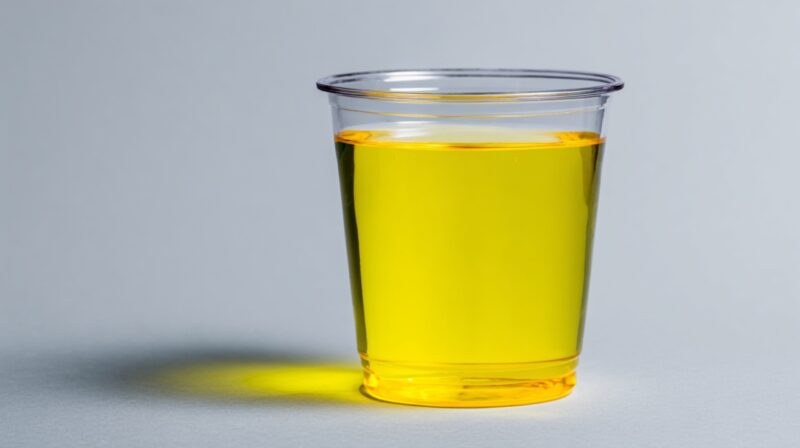
Urine color ranges from pale straw to dark yellow based on hydration levels and normal body processes.
Medical guidance often uses urine color as a quick visual indicator of fluid balance. Concern can arise when dark yellow urine appears even after regular water intake.
Many people expect clear or light urine once they drink fluids, so a persistent darker color may seem confusing or alarming.
That is why we would like to discuss the things that will help shine a light on this occurrence.
The Most Common Reason is Mild Dehydration
Mild dehydration remains the most frequent explanation for dark yellow urine as well as headaches. Pale straw color signals proper hydration, while darker shades suggest the body needs more fluids.
Drinking water does not always immediately correct dehydration if total intake still falls short of daily needs.
Many people underestimate how much fluid their bodies require across an entire day.
Several factors can lead to mild dehydration even when water intake seems regular:
| Factor | How It Affects Hydration |
|---|---|
| Increased fluid needs | Body size and activity level raise daily water requirements |
| Caffeinated or alcoholic drinks | Can promote fluid loss and reduce overall hydration |
| Long periods without drinking | Gaps during work or sleep can lead to gradual dehydration |
Fluid loss plays a major role. Heat, sweating, and physical activity increase how much water the body loses. When fluid loss exceeds intake, urine becomes more concentrated. Waste products and natural pigments appear more intense, leading to a darker yellow shade.
- Spending time in hot or humid environments
- Intense workouts or prolonged physical labor
- Fever or infections that raise body temperature
Dark yellow urine in this situation indicates that the kidneys are conserving water. Less fluid enters the urine, so its color becomes stronger. The body prioritizes maintaining essential functions, which leads to reduced urine output and a deeper color.
Timing and Fluid Balance Factors
Morning urine often appears darker. Overnight, the body goes several hours without fluid intake, causing urine to become concentrated. Seeing dark yellow urine early in the day can be normal and often improves after drinking fluids.
Hydration patterns throughout the day matter more than a single intake. Consistency supports stable fluid levels, while irregular drinking habits can lead to fluctuations in urine color.
Environmental and physical factors also influence fluid balance. Hot weather increases sweating, which reduces body water. Exercise leads to similar fluid loss.
Illnesses such as vomiting or diarrhea can rapidly lower hydration levels. In these cases, dark yellow urine may appear even if water intake seems adequate.
Observation across the day gives better insight into hydration status. Looking at urine color once may not reflect overall fluid balance.
Diet and Vitamin Intake

Food and supplements can affect urine color. A natural pigment called urochrome contributes to the yellow tone of urine. Its concentration changes depending on fluid intake and diet.
Vitamin B supplements often cause bright or dark yellow urine. Color may appear unusually vivid, but usually does not signal a problem.
Excess vitamins that the body does not use are excreted through urine, leading to a stronger color.
High salt intake can pull water out of cells, while high protein intake increases waste products. Both factors contribute to more concentrated urine, making dark yellow urine more noticeable.
Medications and Supplements
Some medications can change urine color to dark yellow, amber, or even orange. These effects may occur regardless of hydration status.
Color changes linked to medications often depend on how the body processes and eliminates substances.
- Vitamin supplements, especially B-complex formulas
- Medications that affect liver metabolism
- Drugs that alter how waste products are excreted
Vitamin supplements remain a frequent cause of noticeable color changes. Urine may appear darker soon after taking them. Certain medications can also influence bile production or the breakdown of compounds, which may affect urine color.
In many cases, these changes are temporary and linked directly to intake. Once the substance clears the body, urine color typically returns to normal.
Possible Medical Causes
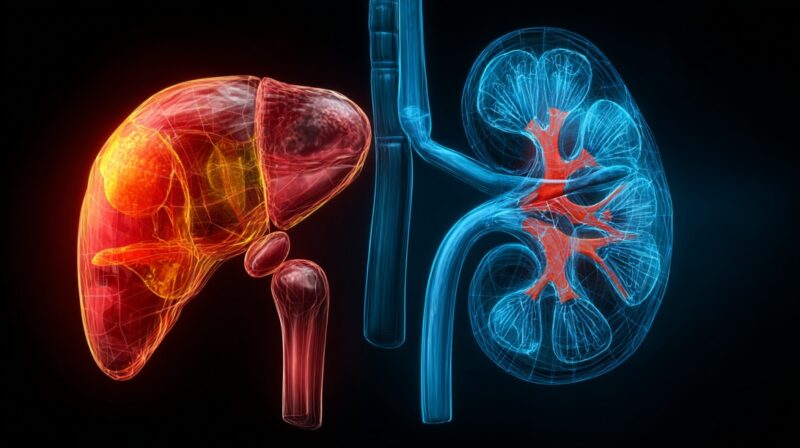
Persistent dark yellow urine can sometimes signal underlying health issues. Liver conditions may lead to a buildup of bilirubin, a substance that can darken urine.
Bile duct problems can produce similar changes by affecting how bile is processed and removed.
- Liver disorders that increase bilirubin levels
- Bile duct obstruction that alters normal flow
- Kidney conditions that affect filtration and waste removal
Kidney disorders may affect how waste and fluids are filtered. When filtration changes, urine color may shift independently of water intake. In these situations, drinking more fluids may not significantly change urine appearance.
Abnormal substances entering the urine can also cause a darker color. Presence of bilirubin or other compounds may result in persistent dark yellow urine that does not improve with hydration.
When Dark Yellow Urine Is Still Normal
Dark yellow urine does not always indicate a problem. Short-term changes are common and often harmless. Low fluid intake, waking up in the morning, or taking vitamins can all lead to temporary darkening.
Improved hydration usually brings urine back to a lighter color. Paying attention to changes over time helps identify patterns.
Temporary dark yellow urine that resolves with regular fluid intake is generally not a cause for concern.
View this post on Instagram
Summary
Dark yellow urine often results from mild dehydration, timing of fluid intake, or dietary factors. Vitamins, supplements, and medications can also influence color even when water intake seems sufficient.
Ongoing dark urine may point to medical conditions involving the liver or kidneys. Observing urine color throughout the day and over several days can help identify patterns. Persistent changes may require medical evaluation.