Acne is a chronic inflammatory skin condition that affects the pilosebaceous unit, which includes hair follicles and oil glands. Many people assume all acne behaves the same, yet different causes require different approaches to treatment.
Two main categories exist. Hormonal acne develops due to internal shifts in hormone levels. Regular acne develops due to external factors combined with bacterial activity and clogged pores.
Correct identification matters because treatment methods vary significantly between these types.
Location on the Face and Body
Breakout location is one of the most noticeable differences between these two types. Distribution patterns often point to the underlying cause and can help narrow down what is triggering the skin.
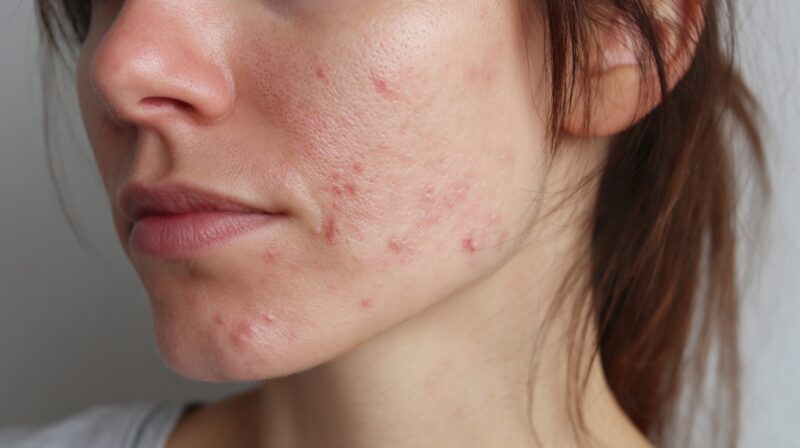
Hormonal acne appears most often on the lower third of the face:
| Area | Description |
|---|---|
| Chin | Common site for hormonal breakouts, often recurring in cycles |
| Jawline | Frequent area for deep, inflamed acne linked to hormones |
| Neck | Can develop stubborn, painful blemishes associated with hormonal changes |
| Lower cheeks | Sometimes affected, typically near the jawline region |
Pattern is often described as the U-zone. Breakouts in this area tend to return in the same spots over time. Flare-ups commonly align with hormonal shifts, which is why many people notice worsening acne at certain points in their cycle.
Skin in this region is more sensitive to androgen activity, which increases oil production and leads to deeper, recurring lesions.
View this post on Instagram
- Forehead
- Nose
- Upper cheeks
Breakouts may also appear on:
- Back
- Chest
- Shoulders
Wider distribution across the face and body is more typical for regular acne, especially in individuals with oily skin. Areas exposed to sweat, friction, or buildup of products tend to develop more frequent breakouts.
Type and Appearance of Breakouts
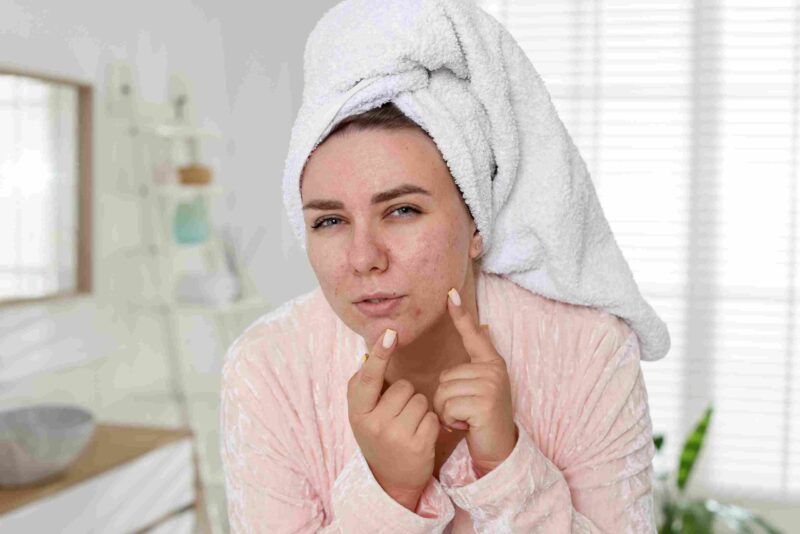
Lesion type provides another important clue. Depth, size, and visibility of breakouts can help distinguish between hormonal and regular acne.
- Cysts or nodules
- Painful, inflamed bumps
- Hard lumps that do not develop a visible head
Skin may appear swollen and feel tender to the touch. Pressure or irritation can increase discomfort. These lesions often do not come to a head, which makes them harder to treat with standard topical products.
Healing tends to take longer, and manipulation can increase the risk of scarring.
- Blackheads
- Whiteheads
- Papules
- Pustules
Lesions are easier to see and often form a visible head. Many of these breakouts can be extracted or treated with topical products more easily. Surface-level acne may still become inflamed, but it usually resolves faster than deeper cystic lesions.
Breakout Pattern and Timing
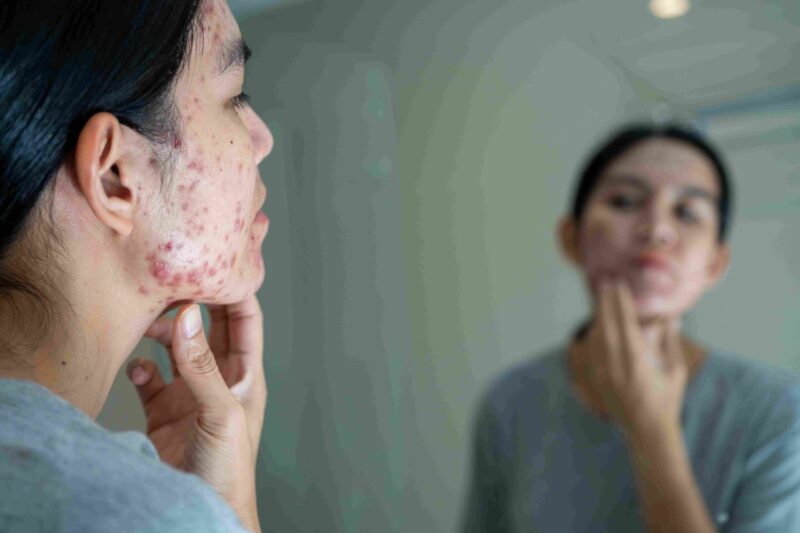
Timing and recurrence patterns help distinguish internal causes from external ones. Hormonal acne often follows a consistent and noticeable rhythm.
- Flares before menstruation
- Appears during hormonal shifts such as pregnancy or menopause
- Recurs in the same locations repeatedly
Breakouts may appear at similar times each month, creating a predictable pattern. Many individuals notice worsening symptoms several days before a period begins, followed by gradual improvement after hormone levels stabilize.
- Linked to skincare product changes
- Triggered by sweat, heat, or environmental exposure
- Influenced by daily habits such as cleansing
Fluctuations depend more on external conditions rather than internal cycles. Breakouts may appear suddenly after using a new product or after prolonged exposure to sweat and friction.
Severity and Healing Behavior
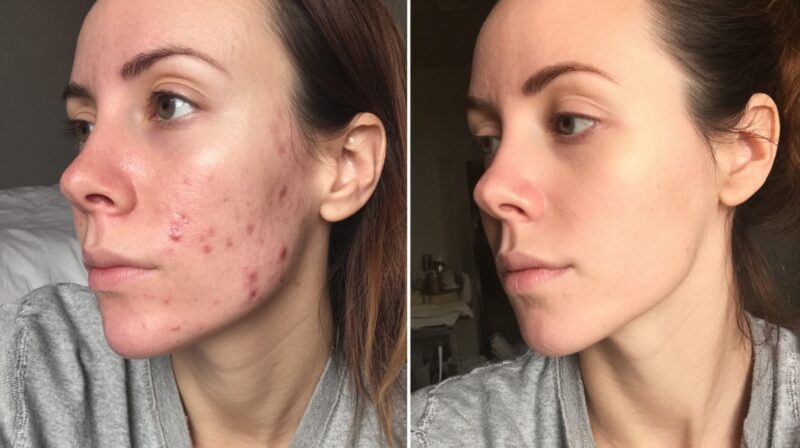
Differences in inflammation and healing speed also help distinguish these types. Hormonal acne often presents with more intense and persistent symptoms.
- Strong inflammation
- Deeper lesions that take longer to resolve
- Higher risk of scarring
- Greater chance of post-inflammatory hyperpigmentation
Marks may remain long after active breakouts clear, especially without proper treatment. Repeated flare-ups in the same area can increase long-term skin damage.
- Faster healing time
- Lower likelihood of deep scarring unless cases become severe
- Surface lesions that resolve with consistent care
Skin tends to recover more easily when triggers are addressed and proper skincare is maintained.
Triggers
Identifying triggers helps clarify the root cause of breakouts. Internal factors dominate in hormonal acne, while external influences shape regular.
- Hormonal fluctuations
- Increased cortisol due to stress
- Endocrine conditions such as PCOS
@heylina2484 Acne shows up in different areas for different reasons. If you want to clear it, figuring out your acne trigger is the first step! #acne #acnetreatment #acneskin #koreanskincare #skincaretips ♬ THE MOON – Camargguinho
Changes inside the body drive oil production and inflammation, which leads to recurring breakouts that are less affected by external skincare changes.
- Comedogenic skincare or makeup
- Hygiene habits
- Pollution and sweat
- Friction, such as tight clothing or masks
Adjusting these factors can often reduce or prevent breakouts. Small changes in routine may lead to noticeable improvements.
Response to Treatment
Treatment response is often one of the clearest differences between these acne types. Hormonal acne tends to be more resistant to standard approaches.
- Oral contraceptives can regulate hormone levels
- Anti-androgens such as spironolactone reduce oil production
Topical treatments may support skin health but rarely resolve the issue on their own. Long-term management often involves addressing internal hormonal balance.
Regular acne usually improves with consistent topical care and routine adjustments.
- Benzoyl peroxide to reduce bacteria
- Salicylic acid to unclog pores
- Retinoids to promote skin cell turnover
Consistent skincare routines often lead to visible improvement within a few weeks when triggers are properly managed.
Summary
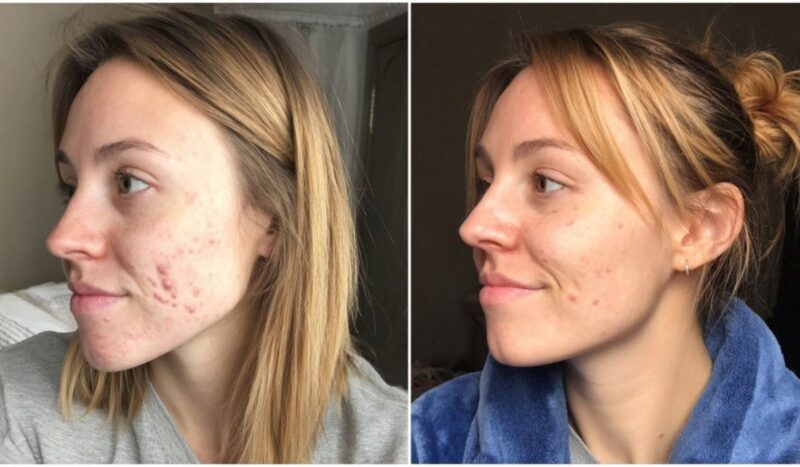
Clear differences between hormonal and regular acne can be identified through careful observation of several key factors. Breakout location, lesion type, timing, and triggers all provide valuable clues.
Also Read: What is fungal acne and how does it differ from regular acne?
Hormonal acne typically appears along the jawline, chin, and neck, often in deep, painful forms that follow a recurring cycle. Internal changes, such as hormone fluctuations and stress, play a central role.
Regular acne tends to affect the forehead, nose, and upper cheeks, with more surface-level lesions that respond to skincare habits and external conditions.