Chronic pain affects millions of people looking for safer, non pharmaceutical ways to improve function and reduce inflammation. At the same time, tissue repair challenges can slow recovery after injuries, surgeries, or long standing conditions.
Hyperbaric oxygen therapy is often considered when people want a supportive therapy that increases oxygen delivery and stimulates healing. Readers looking for practical, evidence informed guidance usually want to understand how this treatment works, where it genuinely helps, and what to expect before scheduling a session.
This article gives clear explanations so that people can decide whether the therapy aligns with their health needs.
How Hyperbaric Oxygen Therapy Supports Pain Reduction
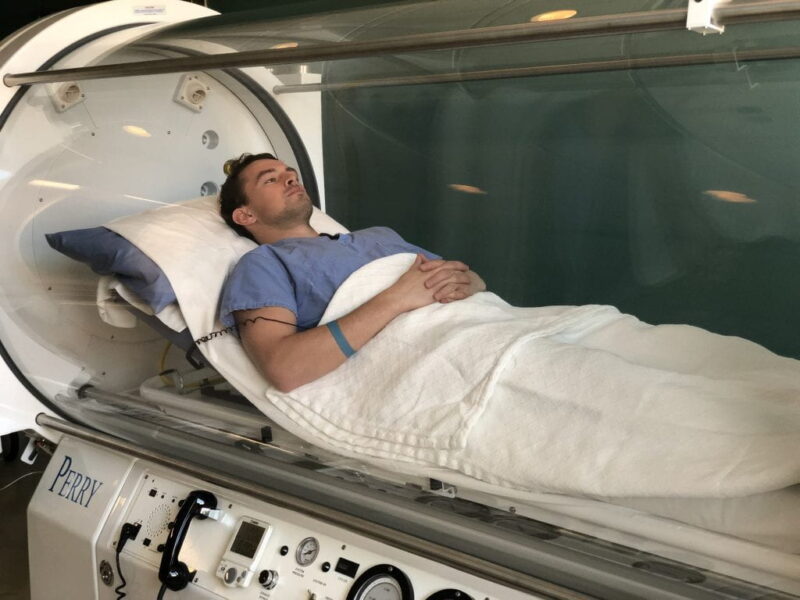
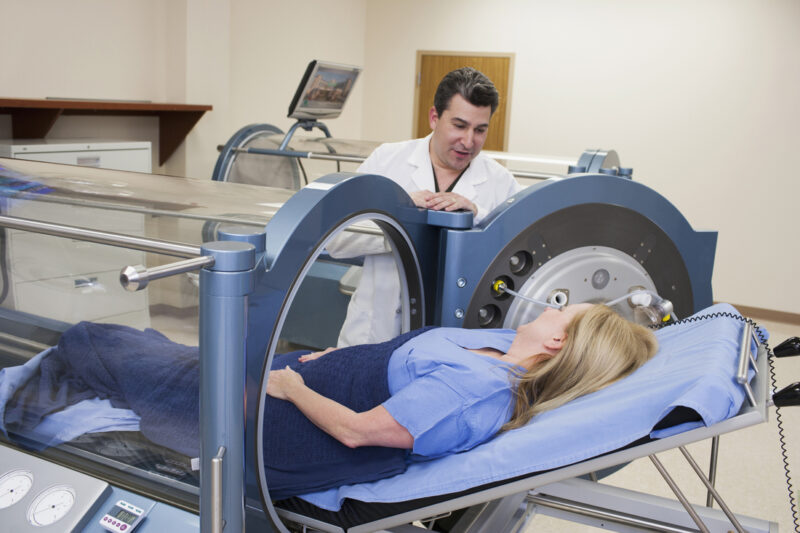
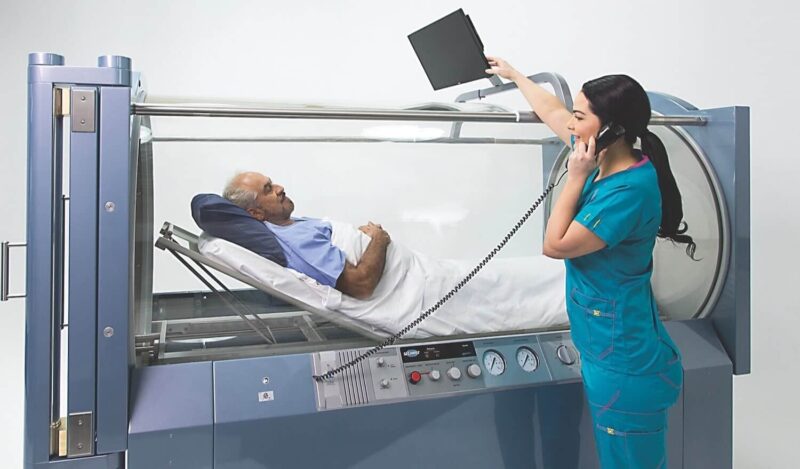
Many people first look into this therapy because they want something that helps them manage chronic discomfort when traditional methods fall short. The core idea is simple. When someone enters a sealed chamber and breathes concentrated oxygen at increased atmospheric pressure, their bloodstream carries more dissolved oxygen to damaged or irritated tissue.
Several clinical reviews suggest that this oxygen enriched environment can support anti inflammatory processes and help reduce swelling that contributes to persistent pain symptoms. It is not a cure for the underlying condition but a complementary tool that supports more efficient healing.
If someone is exploring options near Los Angeles, it is common to check hyperbaric oxygen chamber Beverly Hills service. Facilities such as Oxynergy2 often tailor their sessions to people dealing with chronic pain or slow healing injuries. The point is not the location itself but the idea of structured, supervised sessions that follow safety guidelines and support consistent progress across multiple appointments.
Oxygen’s Role In Tissue Repair
The effectiveness of higher oxygen levels becomes clearer when looking at basic physiology. Cells need adequate oxygen to produce energy, repair membranes, and build new blood vessels after damage. When tissue is chronically inflamed or poorly perfused, healing slows. A controlled pressure environment helps oxygen diffuse deeper into areas that normally receive limited supply. This improves cell activity and supports collagen synthesis, which has a direct impact on recovery.
Key Benefits Explained In Simple Terms
A short breakdown helps clarify where these effects matter most:
• Increased oxygen supports fibroblast activity, which is essential for wound repair and scar remodeling.
• Improved microcirculation helps nutrients reach injured tissue more effectively.
• Lower inflammatory signaling may help relieve associated chronic discomfort.
These points matter especially for people with slowly healing sprains, tendon injuries, or lingering muscle damage after high intensity training or surgery.
A Useful Comparison Table For Clarity
Below is a practical overview comparing natural healing versus healing supported with increased oxygen availability. This gives readers a clearer picture of how mechanisms shift.
| Healing Factor | Natural Conditions | Increased Oxygen Environment |
| Oxygen Delivery | Limited by circulation quality | Significantly elevated tissue saturation |
| Collagen Formation | Slower in low oxygen areas | Stimulated and more consistent |
| Inflammation | Persistent with chronic pain | Often reduced through regulatory pathways |
| Vascular Growth | Gradual | Encouraged by better cell oxygenation |
The goal is not to claim that therapy replaces standard medical treatment. Instead, it supports physiological repair pathways so that healing becomes more efficient.
Conditions That May Benefit From This Therapy
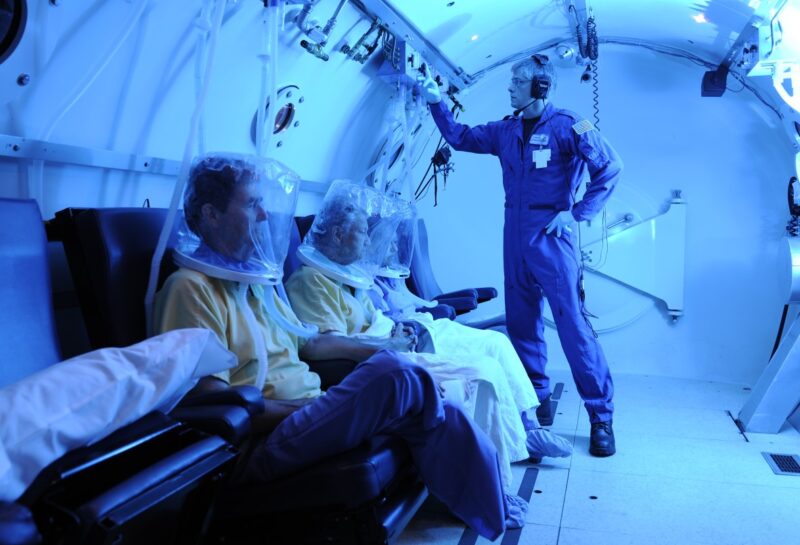
People often seek this therapy for pain related to soft tissue injuries or for situations where healing has plateaued. Many also explore it during recovery from orthopedic surgery to help manage swelling.
A helpful aspect of treatment is that it operates alongside physical therapy, medication plans, or lifestyle adjustments without replacing medically necessary steps.
Clinics typically evaluate medical history first because factors such as ear issues, respiratory problems, or uncontrolled conditions may require additional caution.
Definition to note: The Undersea and Hyperbaric Medical Society defines hyperbaric therapy as breathing 100 percent oxygen inside a chamber pressurized above atmospheric levels, which increases oxygen delivery to tissues.
This formal definition helps set realistic expectations and reinforces why medical supervision is important.
What A Typical Session Feels Like
People new to this therapy often wonder about comfort and sensations during a session. A chamber gradually increases pressure so ears may feel similar to the sensation during airplane ascent. Most clinics advise swallowing or yawning to equalize pressure.
Once the session stabilizes, many people read or rest quietly. The oxygen enriched environment allows tissues to absorb more oxygen without requiring active effort from the patient. After treatment, some feel temporary lightness or mild fatigue as their body recalibrates.
These effects usually pass quickly, especially when sessions are spaced according to a clinician’s plan.
How Many Sessions Are Typically Needed
The number of sessions often depends on condition severity and how long pain has been present. Chronic problems may require a structured plan that spans several weeks. Many clinics recommend starting with a consistent series so tissues receive cumulative exposure to increased oxygen. People recovering from acute injuries sometimes notice improvements earlier, especially when inflammation is a major contributor. A thoughtful schedule is important because benefits are usually incremental rather than immediate. Patients who track mobility, swelling, and function over time often see clearer patterns and more measurable progress.
Safety Considerations And Who Should Avoid It
Hyperbaric therapy is generally safe when monitored by trained staff. Still, specific guidelines exist for a reason. The FDA warns against using this therapy as a substitute for established treatments for conditions such as cancer or diabetes without proper medical oversight.
Potential risks include ear barotrauma, temporary vision changes, or oxygen sensitivity if someone undergoes unusually long or high pressure sessions. Clinics usually screen for sinus issues, recent ear infections, certain lung conditions, and unmanaged fever to reduce complications. A good provider explains all safety protocols in advance.
Conclusion
Hyperbaric oxygen therapy offers a structured, physiologically grounded way to increase oxygen delivery and support tissue repair. People living with chronic discomfort or slow healing injuries often appreciate that the therapy has observable mechanisms and integrates well with other treatments.
While it is not suitable for every medical condition, it can support meaningful improvements when used responsibly and with professional guidance. If someone is evaluating pain management tools or looking for ways to enhance healing, understanding how oxygen influences tissue repair provides a solid foundation for a well informed decision.
Frequently Asked Questions
Is this therapy useful for nerve related pain?
It may support healing in tissues surrounding nerves, although outcomes vary. It is typically more effective for inflammatory and soft tissue related pain.
Can athletes use it during intense training cycles?
Yes, many use it to support recovery after high volume training and to help manage soreness or micro injuries.
How long does each session usually last?
Most appointments range from 60 to 90 minutes depending on treatment goals and clinic protocols.
Is it safe to combine this therapy with physical therapy on the same day?
Yes, many patients schedule both on the same day, often doing physical therapy after the oxygen session.
Do improvements hold after stopping therapy?
Benefits often persist if tissue healing has advanced, but chronic conditions may require periodic maintenance sessions depending on severity.