Long clinical shifts demand clothing that works as hard as the person wearing it. When you are standing, walking, lifting, and bending for most of the day, good apparel decisions can reduce fatigue, keep you at a steady temperature, and make tools easier to carry and find.
This guide outlines how to choose footwear, socks, scrubs, and layers that support posture, regulate heat and moisture, and keep essentials organized without adding bulk.
Why Apparel Design Matters in Clinical Settings

Every movement in patient care has a cost in energy and comfort. Apparel that fits well, moves with you, and manages heat and moisture can prevent distractions and help you stay focused. The right pocket layout also keeps tools accessible, reducing extra steps and strain.
Ergonomics: Small Choices, Big Payoffs
- Favor stretch fabrics in tops and pants to maintain full range of motion during transfers and procedures.
- Choose garments with articulated knees, gusseted underarms, and a rise that stays put when you squat or reach.
- Avoid heavy items in lower-leg pockets that swing and pull on knees and hips; keep weight close to the torso instead.
Footwear: Your First Line of Support

- Midsole and cushioning: Look for dual-density cushioning that resists bottoming out after thousands of steps.
- Rocker profiles: A mild rocker can assist forward motion and lessen forefoot stress during long hall walks.
- Fit and toe box: A roomy, rounded toe box prevents pressure on toenails and bunions as feet swell through a shift.
- Grip and cleanability: Outsoles should be slip-resistant on wet surfaces and easy to wipe down.
- Weight: Lighter shoes reduce cumulative leg fatigue; aim for supportive models under 12 ounces per shoe when possible.
- Replacement cycle: Expect to replace work shoes every 6–12 months depending on mileage and body weight.
Socks and Lower-Leg Support
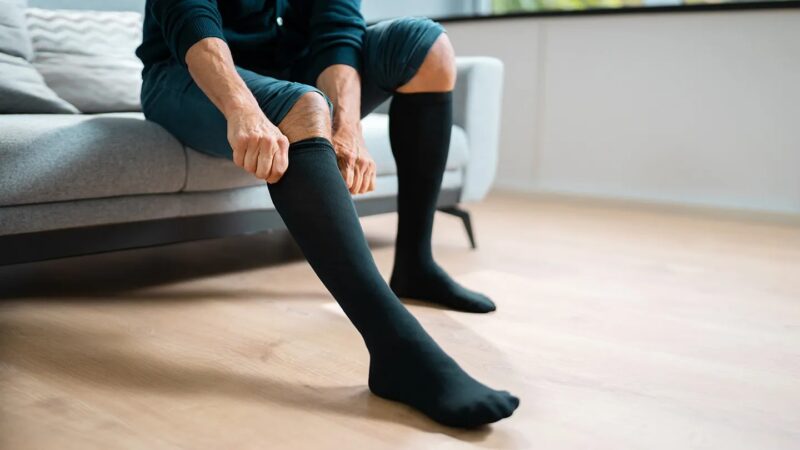
- Fabrics: Moisture-wicking fibers (merino blends or technical synthetics) keep feet drier, which helps with blister prevention.
- Construction: Seamless toes reduce friction; targeted cushioning protects high-impact zones without trapping heat.
- Compression: 15–20 mmHg knee-high compression can reduce lower-leg swelling; choose breathable yarns and correct sizing to prevent constriction.
Scrub Tops and Pants: Fit, Fabric, and Function
Fabric Technology for Temperature Regulation
- Breathability and moisture management: Look for knit or woven blends that move sweat off the skin and dry quickly.
- Stretch and recovery: 2–4 way stretch keeps the garment from binding during turns, lifts, and long charting sessions.
- Odor and stain resistance: Durable finishes can limit odor buildup and make cleanup faster after spills while remaining soft against the skin.
- Hand feel: Choose fabrics that stay smooth after repeated industrial or hot-water washes.
Pocket Strategy: Keep Tools Close and Weight Balanced
- Prioritize chest and upper-hip pockets for pens, shears, and small devices; weight carried higher bounces less.
- Reinforced pocket edges reduce wear from clips and metal tools.
- Separate pen sleeves, zippered compartments, and key loops help maintain order.
- For cargo pockets, look for low-profile designs with internal organizers so items don’t sink or swing.
Look for men’s scrubs with ventilated panels and reinforced pockets to keep tools organized without adding bulk.
If you’re updating your work kit, compare different cuts and fabrics of men’s scrubs to find a balance of stretch, breathability, and secure storage that suits your unit’s workflow.
Mobility and Fit Details That Matter

- Articulated knees let you kneel without fabric tightening across the patella.
- A gusseted underarm prevents riding up when you reach for overhead supplies.
- Jogger cuffs can reduce dragging and snagging while keeping hems clean; ensure there’s room at the ankle for full stride.
- Waistband stability: Soft, wide waistbands or drawstrings that stay tied prevent constant readjustment.
Layering for Shifting Temperatures
Hospital environments fluctuate—ORs run cool; med-surg floors can feel warm on heavy census days.
- Base layers: Lightweight, close-to-skin tees or long sleeves in moisture-wicking knits add warmth without bulk.
- Mid layers: Stretch scrub jackets or vests with mesh-lined back vents provide warmth while allowing airflow.
- Quick on/off: Choose layers with smooth liners so they slide over scrubs without catching, and opt for pockets that don’t fight the ones underneath.
Infection Control and Easy Care
- Laundering: Hot-water wash and thorough drying are easier on durable synthetics that resist shrinking.
- Finishes: Stain-release treatments make spill cleanup faster between patients.
- Work-only policy: Keep clinical garments separate from streetwear; store a spare set at work for spills or unexpected overtime.
- Fasteners: Zips and snaps are quicker than buttons when you need to change in a hurry.
Smart Accessories That Pull Their Weight

- Badge reels with breakaway lanyards improve safety during patient care.
- A slim, second-hand watch makes vital timing easy without pulling out a phone.
- Lightweight headbands or scrub caps help with temperature control and hair management.
- Keep EDC to the essentials—penlight, shears, small notebook—so pockets stay tidy and light.
Maintenance and Rotation
- Rotate two to three scrub sets to lengthen fabric life and maintain shape.
- Replace compression socks every 3–6 months or when rebound declines.
- Inspect high-wear areas—knees, pocket edges, waistband drawcords—and retire items before failure.
Lifestyle Factors That Support Comfort
- Stay hydrated in small, regular sips; dry mouth and headaches raise perceived exertion.
- Choose steady-energy snacks that won’t spike heat production or make you sluggish.
- Micro-breaks—sixty seconds to stretch calves or roll shoulders—can reset posture.
Team Considerations and Dress Codes

- Check footwear and color guidelines before buying.
- Ask peers what holds up on your floor; different roles load pockets in different ways.
- Trial a new kit on a lighter shift before a heavy run to fine-tune pocket setup.
When to Refresh Your Kit
- Foot or knee pain that appears late shift and eases on days off.
- Shoes with flattened midsoles, uneven tread wear, or a tilting heel counter.
- Scrub pockets that sag, fray, or no longer hold clips securely.
- Fabrics that stay damp or feel heavy after minor exertion.
- Frequent readjusting of waistbands, cuffs, or hems during routine tasks.
- New unit duties that require different tool access or added PPE.
Supporting Comfort and Confidence
Thoughtful choices in footwear, socks, scrubs, and layers can reduce strain, keep you dry, and make tools easy to manage. The goal is simple: reliable comfort and function that lasts through the final hour of a long shift.
Commonly Asked Questions
Next Steps
Audit your kit: shoes, socks, scrubs, and layers. Set a simple plan to update the biggest pain point first—often footwear or pocket layout—then fine-tune fabric weight and layering based on your unit’s temperature and your role.