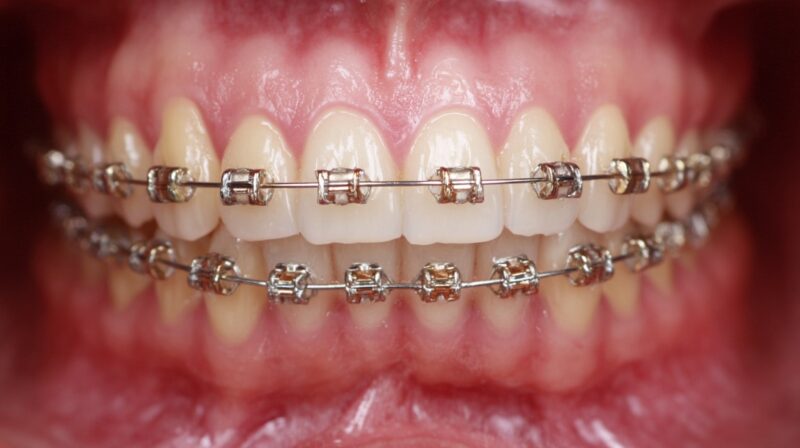
Getting braces or having them adjusted is an important step toward achieving a healthier, more aligned smile. Fixed braces consist of small brackets attached to the teeth and connected with wires that gradually guide teeth into better positions.
Continuous pressure placed on the teeth helps correct spacing problems and bite alignment over time.
The initial days after braces placement or adjustment can feel uncomfortable because the mouth must adapt to brackets, wires, and the pressure used to move teeth.
Contact between soft oral tissues and the metal brackets may cause mild sores or rubbing during the first few days.
Adjustment usually becomes easier as oral tissues gradually adapt to the new appliances.
What Happens After a Braces Adjustment
Brace adjustments play an important role in orthodontic treatment.
Changes applied during these visits begin affecting teeth almost immediately.
Orthodontic brackets bonded to each tooth act as anchors that hold the archwire in place.
Archwires create controlled pressure that gently moves teeth toward improved alignment over time.
Pressure affects the bone and ligaments surrounding each tooth. Gradual changes occur in those structures as teeth slowly shift into new positions.
Temporary soreness or sensitivity can occur during this process, especially after adjustments.
Several biological responses take place during tooth movement.
- Ligaments around each tooth stretch and compress as pressure shifts the tooth
- Bone tissue slowly remodels to allow the tooth to move into a new position
- Mild inflammation may develop around the tooth root, creating temporary tenderness
Movement occurs slowly and carefully to protect the teeth and surrounding tissues. Orthodontic treatment relies on steady pressure applied over time to guide teeth safely into their correct alignment.
Typical Adjustment Period
Adjustment appointments introduce new pressure to the teeth and supporting tissues.
Sensations following these visits are common and expected as teeth begin reacting to the applied force.
The first week following an adjustment is often the most difficult stage for many patients.
Teeth begin responding to the new pressure, which may lead to tenderness during chewing.
Sensitivity typically appears within several hours after an orthodontic appointment and may last several days.
Many patients notice soreness during common daily activities such as chewing or biting.
- Mild aching around several teeth
- Pressure felt when biting down on food
- Temporary sensitivity to cold foods or drinks
Mild soreness usually decreases as teeth begin adapting to the applied pressure. Most patients notice improvement after three to five days.
Chewing firmer foods may feel uncomfortable at first. Soft foods and gentle chewing help reduce strain during this early adjustment period.
Early Precautions After Brackets Are Placed or Adjusted
Proper care immediately after braces placement or adjustment helps protect brackets and bonding materials. Small precautions during early hours allow orthodontic appliances to remain secure.
Orthodontists usually recommend avoiding food or drinks for the first hour after brackets are bonded to teeth. Bonding material needs time to fully set and secure brackets in place.
Heat exposure may affect bonding during early stages. Very hot beverages such as tea, coffee, or soup should be avoided during the first 24 hours unless cooled. Excess heat may interfere with proper bonding.
Careful attention during early hours after placement helps keep brackets firmly attached and prevents early damage to orthodontic appliances.
Managing Discomfort and Mouth Irritation
Mouth irritation commonly occurs during early stages of orthodontic treatment.
If pain becomes severe or symptoms worsen instead of improving, seeking professional help from an Akutt Tannlege may be necessary to identify underlying problems.
Brackets and wires introduce new surfaces inside the mouth that soft tissues must gradually adapt to.
Cheeks, lips, and tongue may rub against brackets during speaking or chewing. Friction may cause irritation or small sores during the first week.
Several simple methods help reduce discomfort while tissues adjust.
Using Orthodontic Wax
@drbarthebracesdoc #orthodonticwax #emergency #braces #orthodontist #katytx ♬ original sound – Dr. Bar | Orthodontist
Brackets and wires may rub against lips or cheeks, especially during the first few days after placement or adjustment.
Constant contact with metal surfaces can create irritation or small sores inside the mouth.
Orthodontic wax provides a simple way to reduce this irritation. Small amounts of wax can be placed over brackets or wires that rub against soft tissues.
- Dry the bracket area with a clean tissue
- Roll a small piece of wax into a soft ball
- Press the wax gently over the bracket causing irritation
Wax creates a smooth barrier that protects cheeks and lips until oral tissues become accustomed to the braces. Many patients find immediate relief after applying wax to problem areas.
Saltwater Rinses for Soothing Irritation
Saltwater rinses provide another helpful method for easing soreness during early treatment.
Warm saltwater helps calm irritated tissues and keeps small sores clean.
Warm saltwater rinses help calm irritated tissues inside the mouth.
Saltwater can reduce inflammation and support healing of small sores caused by friction with brackets.
@drsuliman_orthodontist The Benefits of Rinsing with Warm Salt Water Many Orthodontists and Dentists suggest rinsing with warm salt water 2-3 times a day during the first few weeks with braces. Why? This helps reduce gum inflammation and irritation that may be going on inside the mouth above or below the newly placed brackets. What’s so convenient about salt water mouth rinse is that it can easily be made at home! All you need is 1/2 a teaspoon of salt mixed with 1 cup of warm water.. Do not swallow the water, but gently rinse the water around the mouth for between 15-30 seconds. When you are done spit the water out and repeat the process at least 2-3 times a day. Continue for 2-3 weeks in order to achieve the best possible results. Follow @drsuliman for more simple and convenient cost effective oral hygiene tips #braces #bracesproblems #oralcaretips #orthodontists #braceshacks #braceslife #orthodontistoftiktok ♬ Makeba – Jain
- One cup of warm water
- Half a teaspoon of salt
Rinsing several times per day may provide relief during the first week of treatment. Gentle rinsing also helps keep irritated areas clean.
Simple home remedies such as saltwater rinses often reduce discomfort while tissues adapt to orthodontic appliances.
Allowing Time for Oral Tissues to Adapt
Adjustment to braces takes time for soft tissues inside the mouth. Cheeks, lips, and tongue gradually develop tolerance to contact with brackets and wires.
Cheeks, lips, and tongue gradually adjust to the presence of braces.
Initial irritation usually decreases after several days as oral tissues become more tolerant of contact with brackets.
- Reduced rubbing against cheeks and lips
- Fewer mouth sores
- Less sensitivity during speech or chewing
Minor soreness or rubbing during early treatment is normal. Patience and proper care usually lead to noticeable improvement during the first week.
Adjusting Your Diet During the First Week

Eating habits often require temporary adjustments after braces placement or tightening. Tender teeth may react strongly to pressure created during chewing.
Soft foods help reduce pressure placed on sensitive teeth during early days after adjustment. Chewing becomes easier and less painful when softer textures are chosen.
- Yogurt
- Mashed potatoes
- Soup
- Pasta
- Smoothies
Foods with smooth textures allow patients to maintain proper nutrition while reducing stress on sensitive teeth.
Foods to Avoid
Certain foods can damage orthodontic appliances or become trapped around brackets and wires. Careful food choices reduce the risk of broken brackets or bent wires.
Hard foods such as nuts may loosen brackets or bend wires. Sticky sweets like caramel or chewy candies can cling to braces and become difficult to remove.
- Nuts and hard candies
- Caramel or sticky sweets
- Chewy candy that clings to brackets
Chocolate or other candies that easily stick to brackets should also be avoided. Careful food choices help protect braces and prevent treatment delays.
Be Careful With Hard Fruits and Vegetables

Healthy foods remain important during orthodontic treatment. Some fruits and vegetables require extra preparation before eating.
Hard fruits and vegetables can place excessive pressure on brackets if bitten directly. Apples and carrots are common examples that require extra caution.
Smaller bites reduce strain placed on orthodontic hardware. Simple preparation techniques help protect brackets while allowing patients to continue enjoying healthy foods.
Maintaining Proper Oral Hygiene
Orthodontic appliances create additional surfaces that can trap food particles and plaque. Careful daily hygiene helps maintain healthy teeth and gums during treatment, as well as prevents bad breath or discomfort!
Braces require more detailed cleaning routines because brackets and wires create small areas where food may become lodged.

Brush and Floss Carefully
Braces create additional surfaces where food particles can collect. Increased plaque buildup may occur if proper cleaning habits are not maintained.
Brushing after meals helps remove trapped food and keeps teeth clean during orthodontic treatment. Regular brushing also reduces the risk of cavities and gum problems.
- Brushing after each meal when possible
- Using a soft bristle toothbrush
- Cleaning along the gumline and around brackets
Careful attention to daily hygiene protects oral health throughout treatment.
Cleaning Around Brackets
Cleaning around brackets requires extra effort compared to brushing without braces. Small spaces around orthodontic hardware often trap food particles.
Angling the toothbrush around each bracket helps remove debris effectively. Brushing both above and below the brackets improves plaque removal.
- Angling the brush toward the gumline
- Brushing along the top edge of each bracket
- Brushing along the lower edge of each bracket
Thorough cleaning prevents plaque buildup in hard to reach areas. Consistent brushing keeps teeth and braces clean during orthodontic care.
Flossing With Braces
@drbarthebracesdoc The correct way to Floss 👍 #flossing #braces #katytx ♬ original sound – Dr. Bar | Orthodontist
Flossing remains essential during orthodontic treatment.
Gum health depends on proper cleaning between teeth where toothbrush bristles cannot reach.
Orthodontic wires make flossing slightly more complex. Special tools help guide floss under the wire so it can reach between teeth.
- Floss threaders
- Orthodontic floss with stiff ends
- Small interdental brushes
Daily flossing removes plaque and food particles that brushing alone cannot reach.
Maintaining flossing habits helps prevent gum irritation and tooth decay during treatment.
Summary
The first week after a braces adjustment often feels challenging while teeth and oral tissues adapt to pressure and new hardware.
Mild soreness, sensitivity, and irritation commonly occur during this period.
Proper care helps reduce discomfort and protects braces during early adjustment.
Avoiding food during the first hour after placement, choosing soft foods, maintaining oral hygiene, and protecting brackets all contribute to a smoother transition.